This blog is dedicated to uncovering the history of roller skating in Norwich: the forgotten rinks, the changing styles, and the people who kept the scene alive through every decade. Whether you grew up skating in the 70s, or just bought your first pair of skates, this blog is to celebrate the stories that made Norwich roll. This topic is especially personal to me because skating has always been a huge part of my life. I’m an avid skater myself, and I grew up surrounded by the skating community through my parents, who both skated and founded ‘Norwich City Roller Hockey Club’-essentially hockey played on skates. Their passion for the sport inspired my own interest in skating and through this blog, I want to delve deeper into Norwich’s skating scene and explore how skating in Norwich has evolved over the years.
Roller skating history
Roller skating has been a pastime activity for the last 2 centuries. The first recorded use of roller skates was in 1743 when a Belgian inventor named John Joseph Merlin introduced his inline skate design at a masquerade party in London. The invention was met with mixed reviews, as Merlin reportedly crashed into a mirror during his demonstration, which resulted in broken bones. Despite this set back, roller skating began to take off in the 19th century with the advancements of technology and manufacturing, the first quad roller skates were invented in 1863 by the American James Plimpton, whose design superseded Merlin, due to its increased stability and comfort and Plimpton’s innovation proved highly influential, as his design remains the preferred choice for many roller skaters today (1).
Read more: Roller Skating in Norwich (part 1)First roller skating in Norwich
However, roller skating did not come to Norwich till 1876 when the purpose-built skating rink called ‘Rinkomania’ was built on Bethel/ St Giles Steet in the Norwich city centre. Also known as ‘The Old Skating Rink’, it was a prominent Victorian indoor rink that later became a vaudeville theatre. Below are a couple of examples of what the Victorian rink looked like.
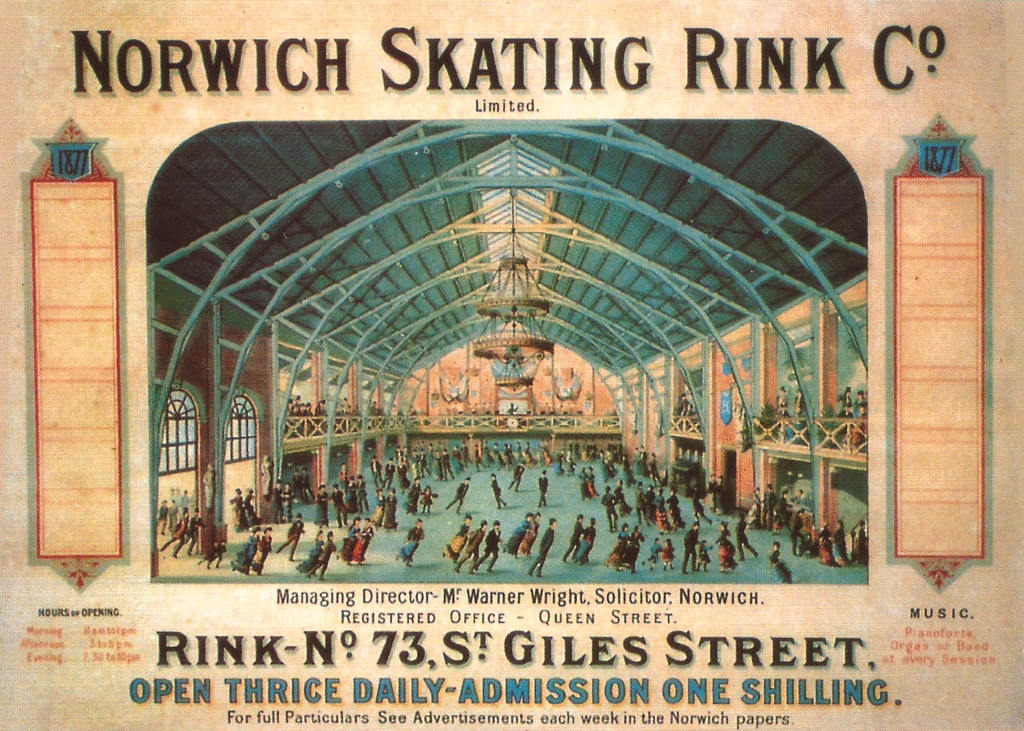
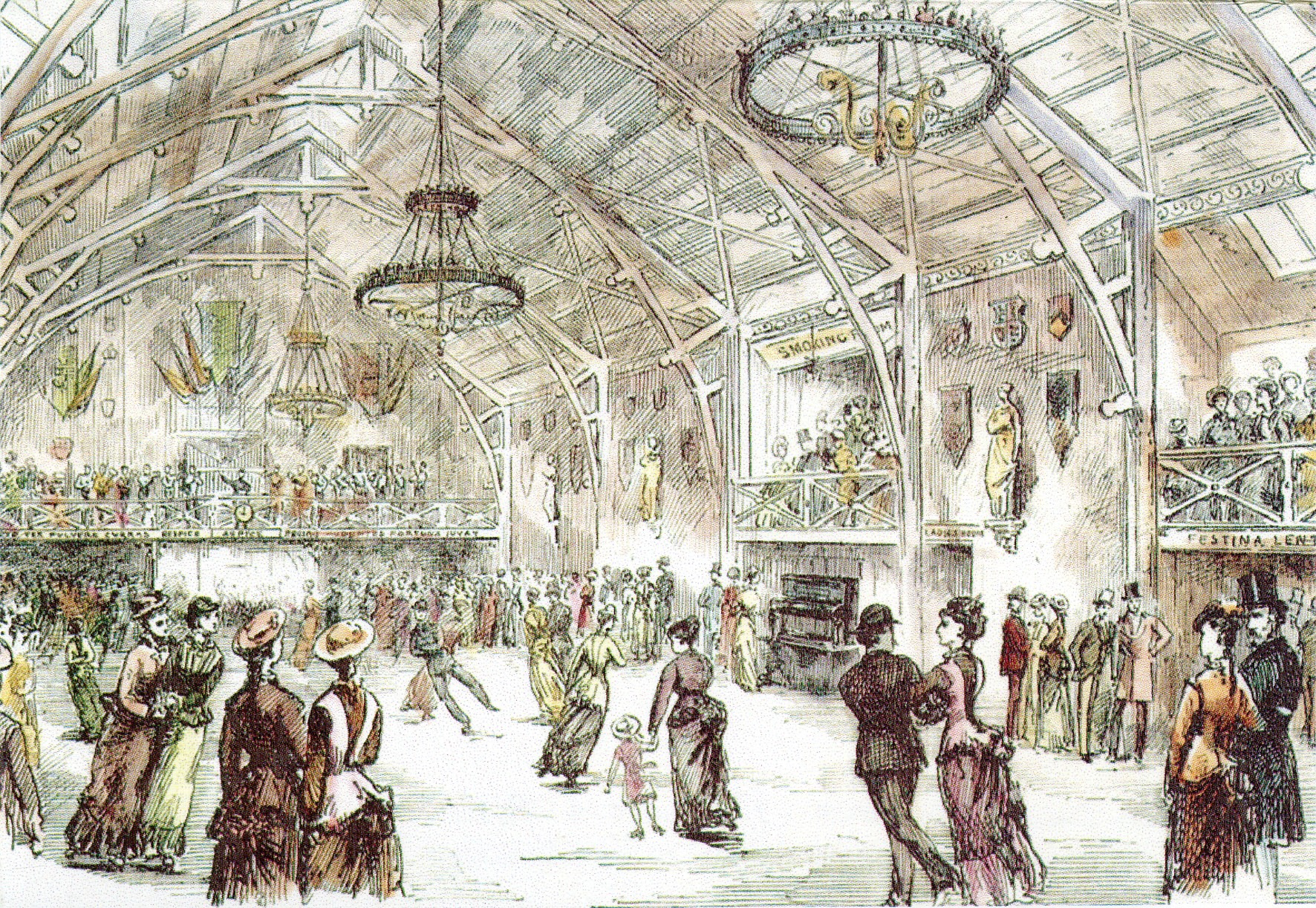
The images portray a spacious, majestic rink filled with skaters of all ages enjoying the activity. The building features a high arched roof, balconies for spectators, decorative lighting, and live music, highlighting how roller skating was both a sport and a form of entertainment. The advertisement promotes regular opening hours and affordable admission, suggesting that skating was accessible to a wide range of people. The elegant clothing and decorative surroundings indicate that the rink was also a fashionable, social venue where people gathered to meet friends and exercise.
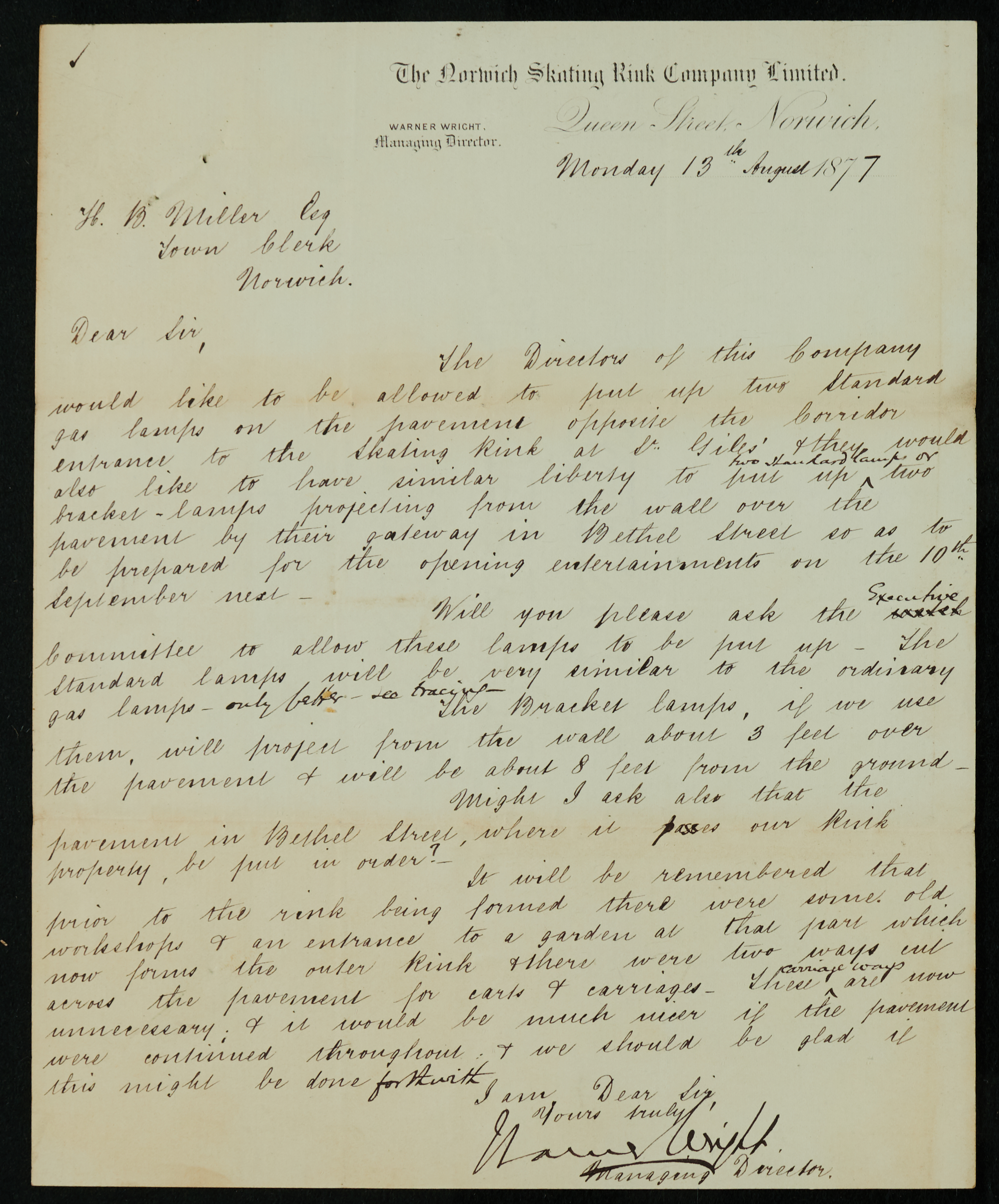
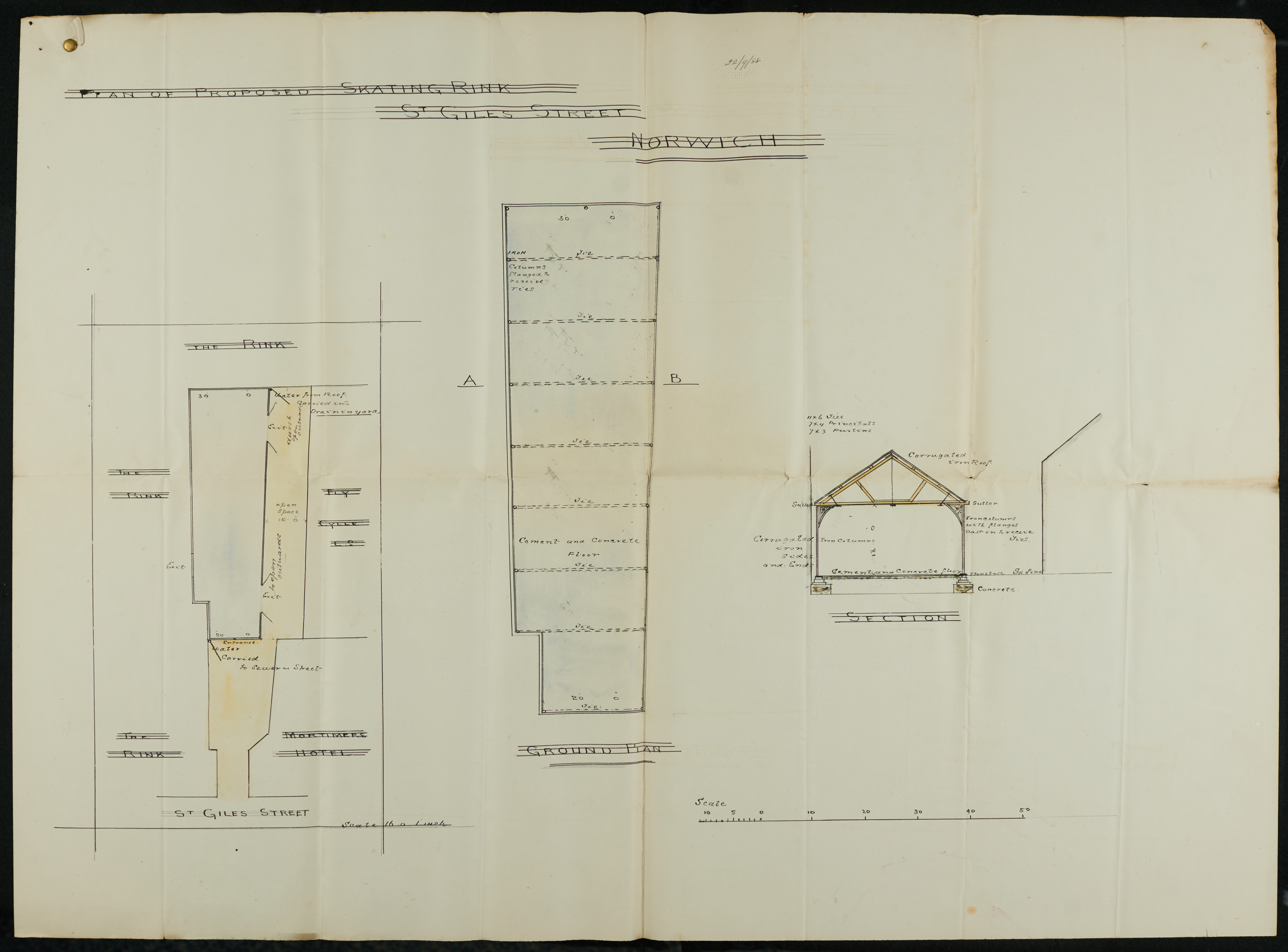
The opening evening included: music, skating and feasting and had an attendance over 1,000 people all eager to skate in the large indoor rink and listen to music provided by the band. The rink, designed by local Norwich architect, Edward Boardman, and built by local building contractors, Lacey & Lacey, cost £9,000 including all fittings and skates. Below are a couple of examples of documents held at the Norfolk Record Office relating to the skating rink. There is a letter from the managing director requesting permission to add lamps outside the skating rink. It is interesting to see the official letter heading on the top of the letter, giving the letter its official mark from the company. The second image is one of the earlier plans of the skating rink which shows annotations like the floor being made of cement and concrete, however I am unsure on how smooth it would have been to skate on! (2)
Despite the success of the opening night, roller-skating in Victorian Norwich was short lived. Just one year later, the building was converted into a vaudeville theatre hosting comedians, dancers, and singers (2). The sudden decline of skating in Norwich remains unclear, especially given how soon it occurred after the opening of the new rink. One possible explanation is that roller skating was always something of a niche activity, requiring a degree of skill and perseverance to learn without constantly falling over. Alternatively, perhaps enthusiasm simply faded as the novelty wore off.
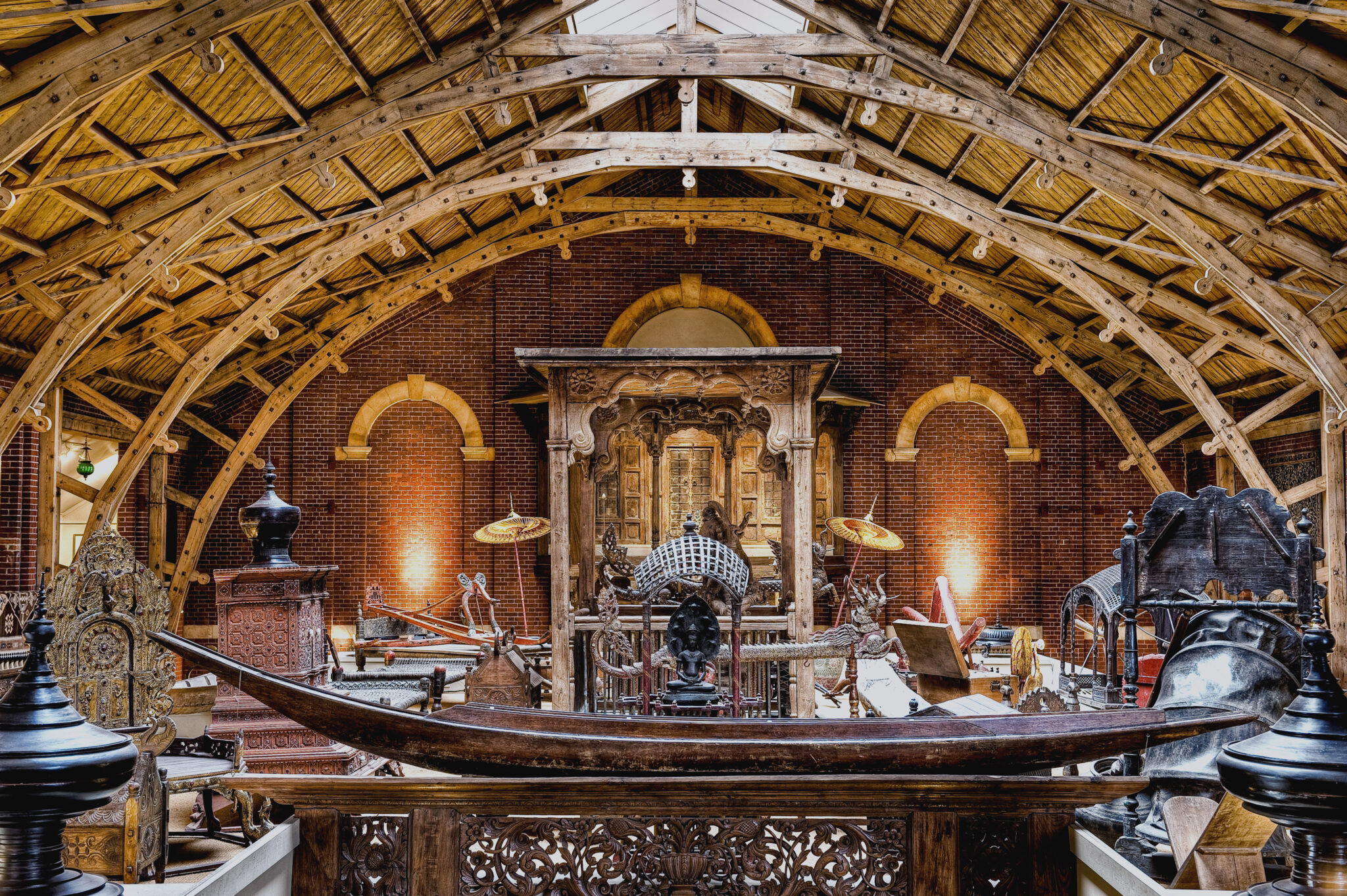
Today, the Grade II listed building is home to the South Asia Collection as seen in the image below, as a museum. From the image you can still see the impressive arched roof. However, it is unclear how many of the building’s original features have survived, making it a fascinating site to visit and explore and is somewhere I am eager to visit in the future.
By Francesca Nelson
References:
(1) The History of Roller Skating: From 18th Century Europe to Modern Day