- The Weird and the Wonderful: Behind the scenes
- Reminiscence: Happy Holidays
- History talks
- Research workshops
- Quick Guides
- Ballgowns and dinner invitations
- Medieval Lynn: paper, prosperity, and people
- Phenomenal Buildings: Sound
- History in Focus
- Creating MEAT: from archive to stage
- Have yourself a Zigomala Christmas
For a chronological list of events please visit our Eventbrite page.
The weird and the wonderful: behind the scenes
In person
Tuesday, 2 February, 10-11.30am
£7 per person*
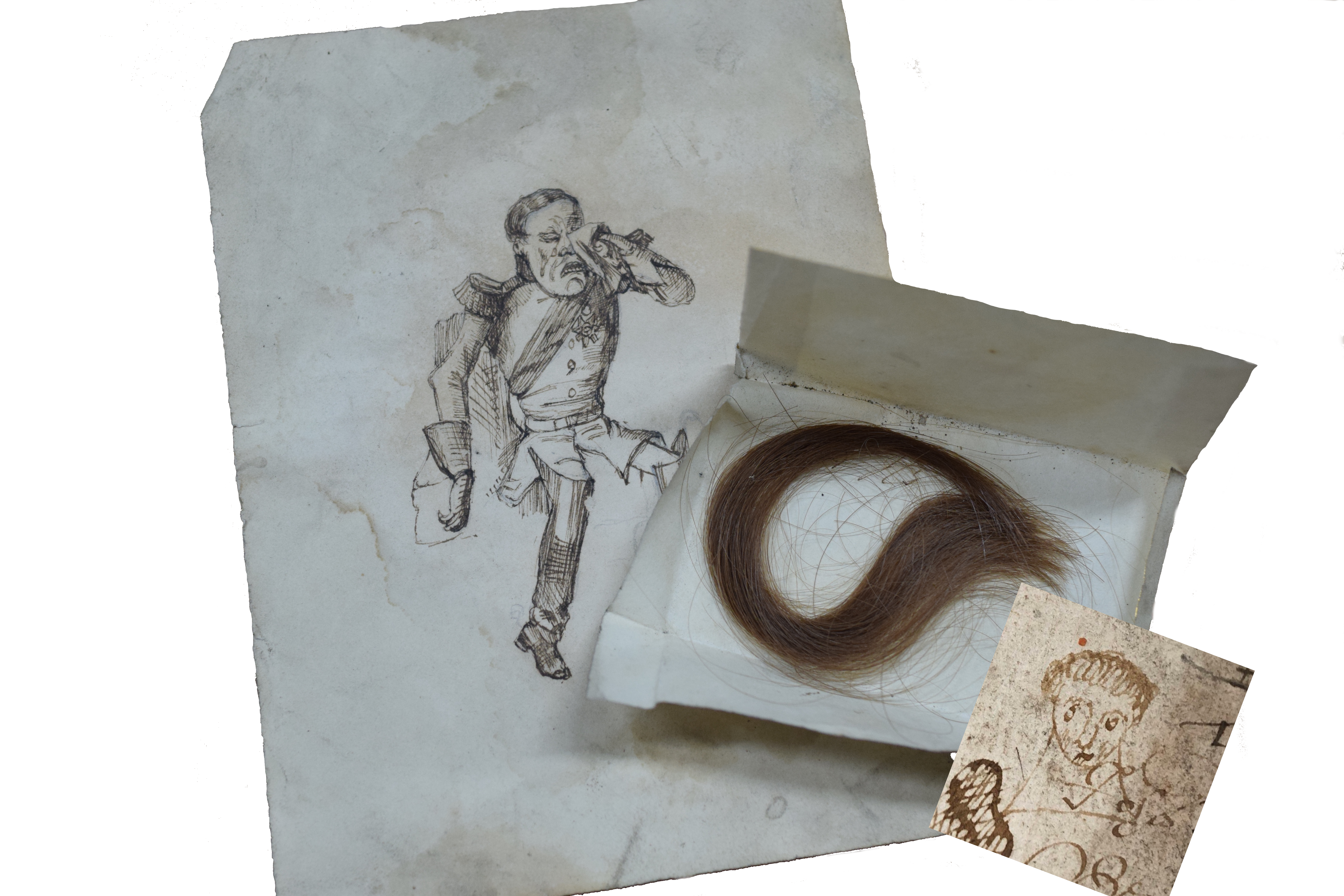
Come and see some strange and unusual items found in Norfolk’s archives, including Lord Nelson’s hair, mustard seeds, a witch’s spell and even the bone pen that inspired Rider Haggard to write King Solomon’s Mines. Then take a look to see how they are stored and repaired.
*Norfolk Archives and Heritage Development Foundation supporters get two free tickets for our Behind the Scenes experience as part of their individual membership. For more information and to join visit NorAH.
Reminiscence
Happy Holidays
In person
Thursday 4 February, 10-11.30am
Free of charge
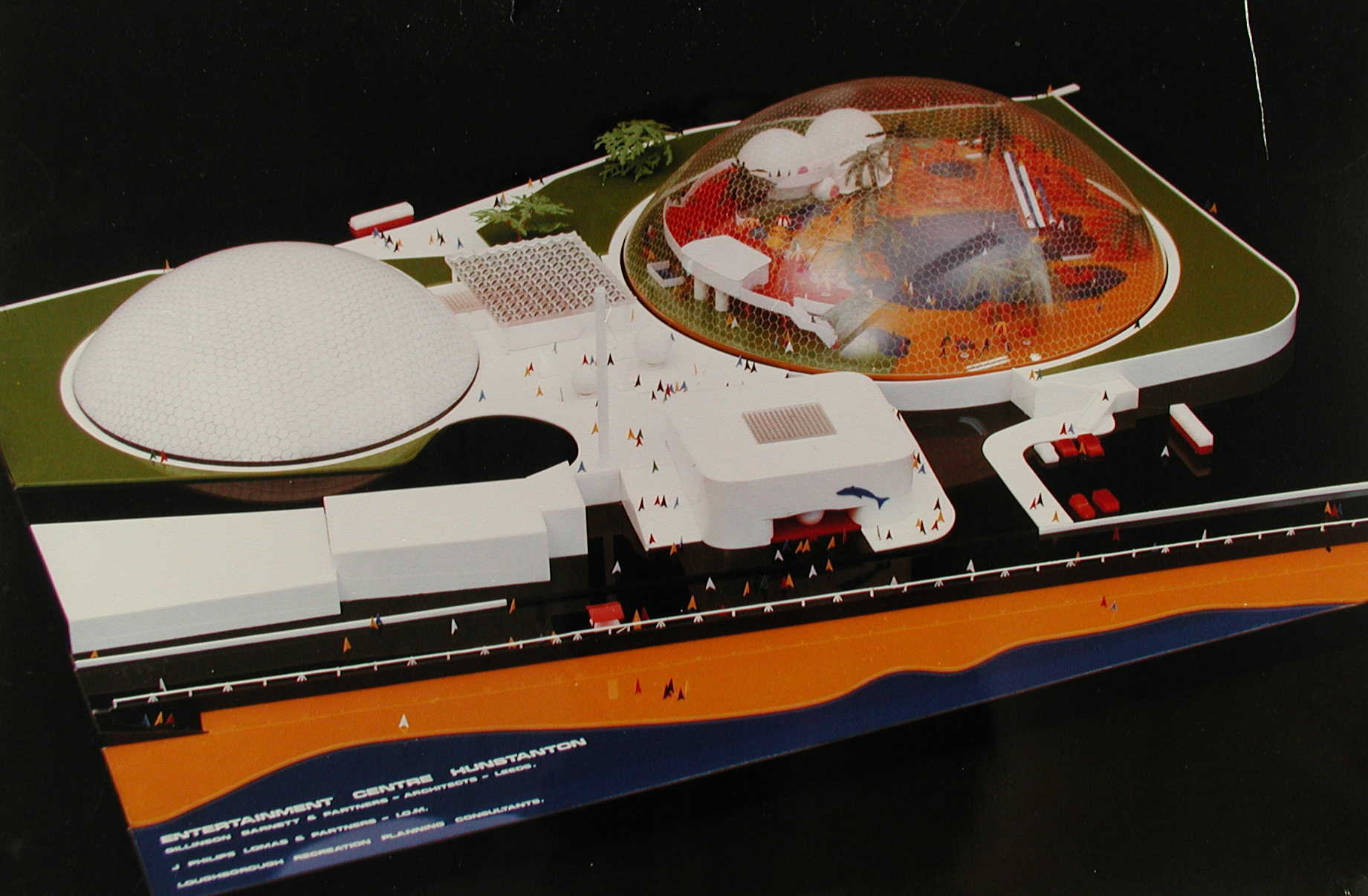
It may still be winter outside but thoughts are starting to turn towards summer holidays. What do you remember about holidays when you were younger? Where did you stay- caravan, Bed and Breakfast, hotel? Did you ever travel abroad? Was there entertainment, did you play board games, spend time outside. Join us in our café style setting to grab a cuppa and chat about your memories.
Staff from the History of Advertising Trust will introduce the changing British holiday experience through advertising and other material from HAT’s collections. Participants will also be able to explore HAT’s Ad-Memoire reminiscence resource, featuring historic advertisements designed to prompt memories and conversation.
There will be a chance to see some original documents and sound recordings of people’s recollections of holidays in the past.
Refreshments included
History talks
In person
By Angus Wallace
Wednesday 11 November, 1-2pm
Free of charge
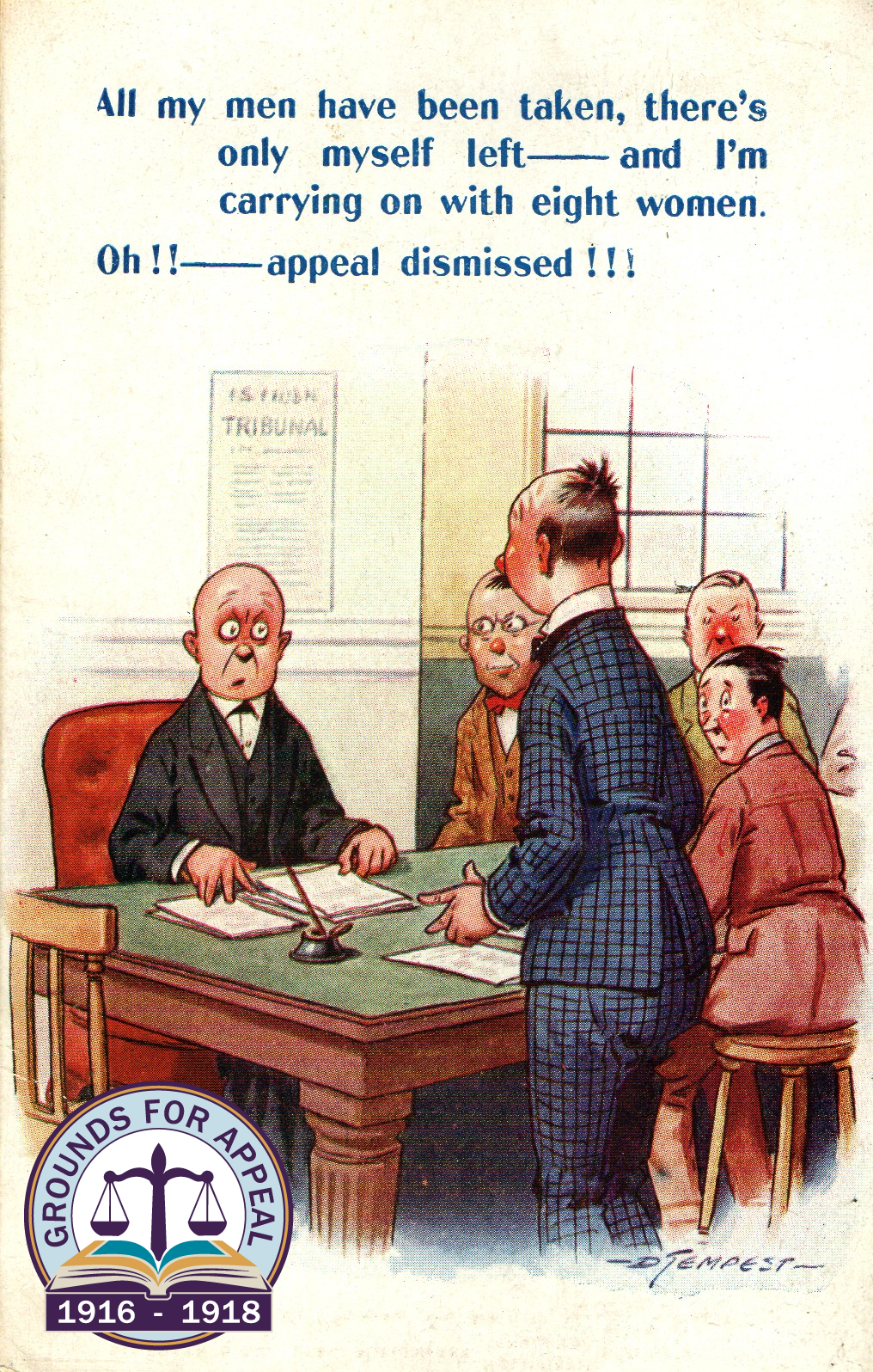
When conscription was introduced in 1916, hundreds of thousands of men appealed their call-up to the army. Contrary to popular belief, only around 2 per cent of these applicants were conscientious objectors. Most were ordinary men seeking exemptions so they could continue to support their families, run businesses, or carry out work considered vital to the war effort.
These Military Service Tribunals played a crucial role in British society during the First World War, yet their story has largely been forgotten. In 1921, the government ordered the destruction of most tribunal records, leaving historians with only scattered survivors.
In this talk, Dr Angus Wallace explores the history of the tribunals, the men who appeared before them, and what the surviving records reveal about conscription, family life, employment, and local communities during the First World War. Drawing on his work with the Grounds of Appeal project, he also considers how historians are beginning to recover the stories hidden within these remarkable records.
Refreshments will be available 10 minutes before the talk starts. Feel free to grab yourself a cuppa and settle down for an interesting 45 minutes.
The Fabric of Norwich Cathedral in the 18th and 19th Centuries
In person and online
By Owen Thompson
Wednesday 20 January, 1-2pm
Free of charge
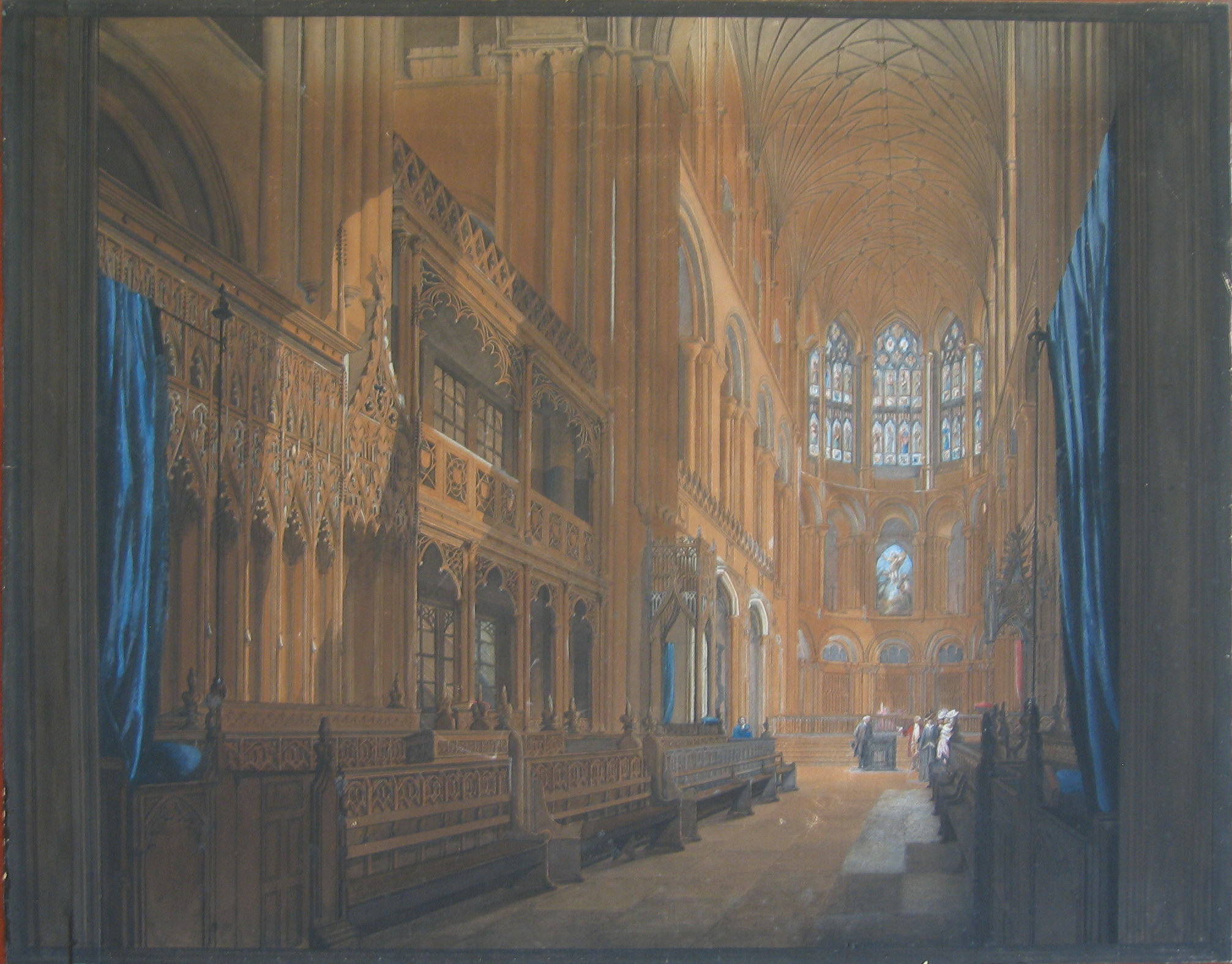
People tend to think of the cathedral as a Norman building with some medieval additions. In fact every century has seen alterations due to structural, aesthetic or liturgical considerations. Did you know that there was a gaol inside the cathedral, that the Close had its own workhouse, or that the dean moved the altar steps because the congregation were ‘wont to take communion promiscuously’?
Refreshments will be available 10 minutes before the talk starts. Feel free to grab yourself a cuppa and settle down for an interesting 45 minutes.
Research workshops
Our research workshops to help you to get started or discover additional materials useful for your own research.
Taking family history further: Tracing First World War ancestors
Online
Friday 20 November, 11am-12noon
Pay what you can (suggested donation- £5)
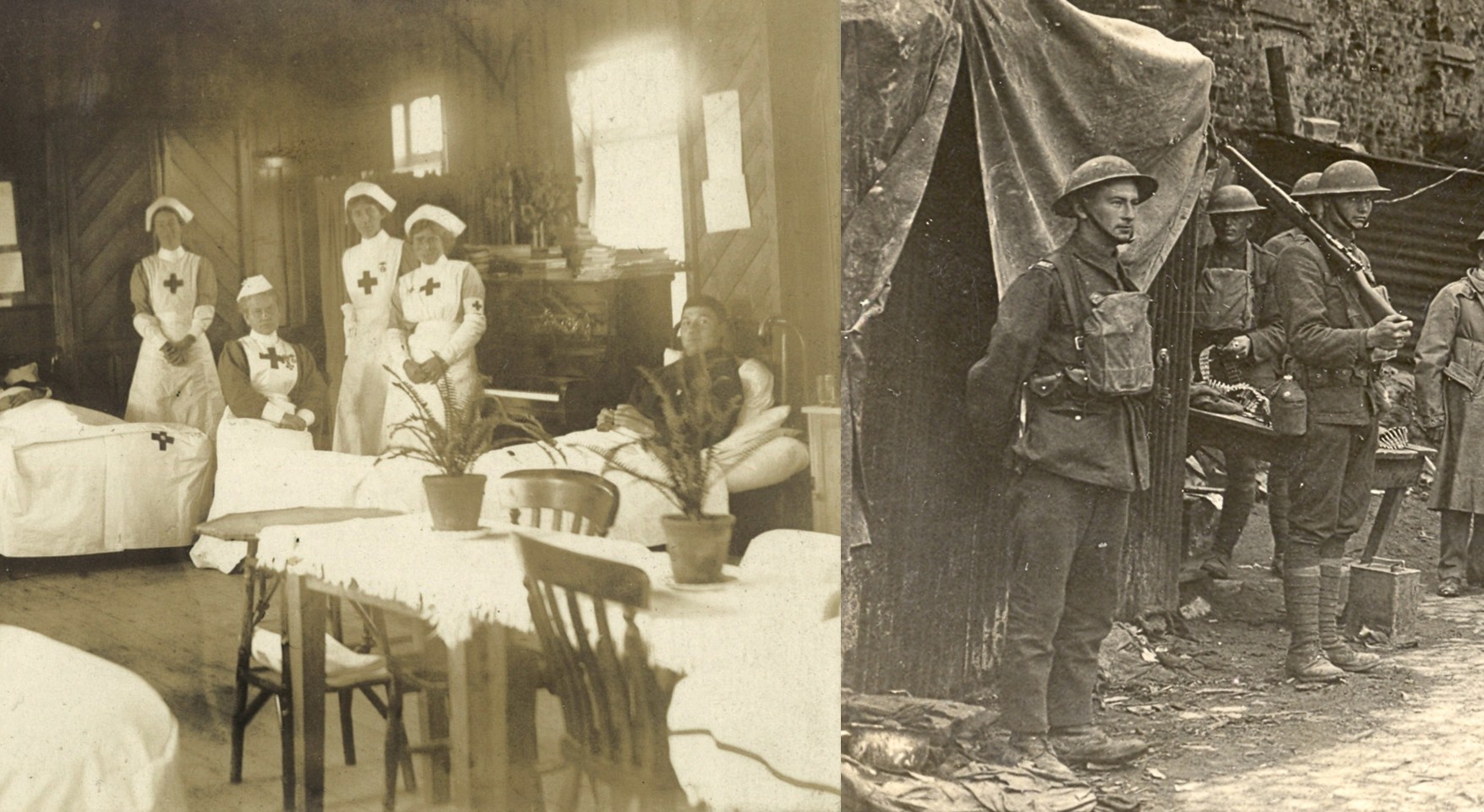
This online workshop will help you find out about your ancestors who served in the First World War. If you have found that your ancestors were in the military, this session is for you. We will look at how to access and use the census, absent voter lists, medal cards and attestation papers.
The session is led by a knowledgeable and experienced tutor who will take you through each source focusing on their uses for research and how to access them. You are welcome to ask questions at the end of the session. Each participant will be sent a workbook which includes a practical activity to try at home.
Advanced House History
Online
Friday 15 January, 10-11am
Pay what you can (suggested donation- £5)
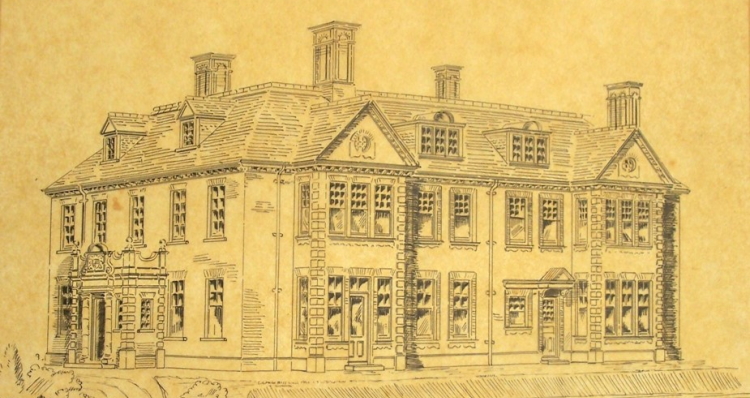
Join us online to learn how to continue your research into the fabric and previous inhabitants of your building. Learn about the manorial system and how to find former owners from manor court books, find out how to discover the use of different rooms from probate inventories, understand how to use the field books and valuation books from the duties on land values.
The session is led by a knowledgeable and experienced tutor who will take you through each source focusing on their uses for research and how to access them. You are welcome to ask questions at the end of the session. Each participant will be sent a workbook which includes a practical activity to try at home.
Quick guides
Each of our quick guides looks closely at an individual set of documents or research topic.
Free church records
Online
Thursday, 25 February, 10-10.45am
Free of charge
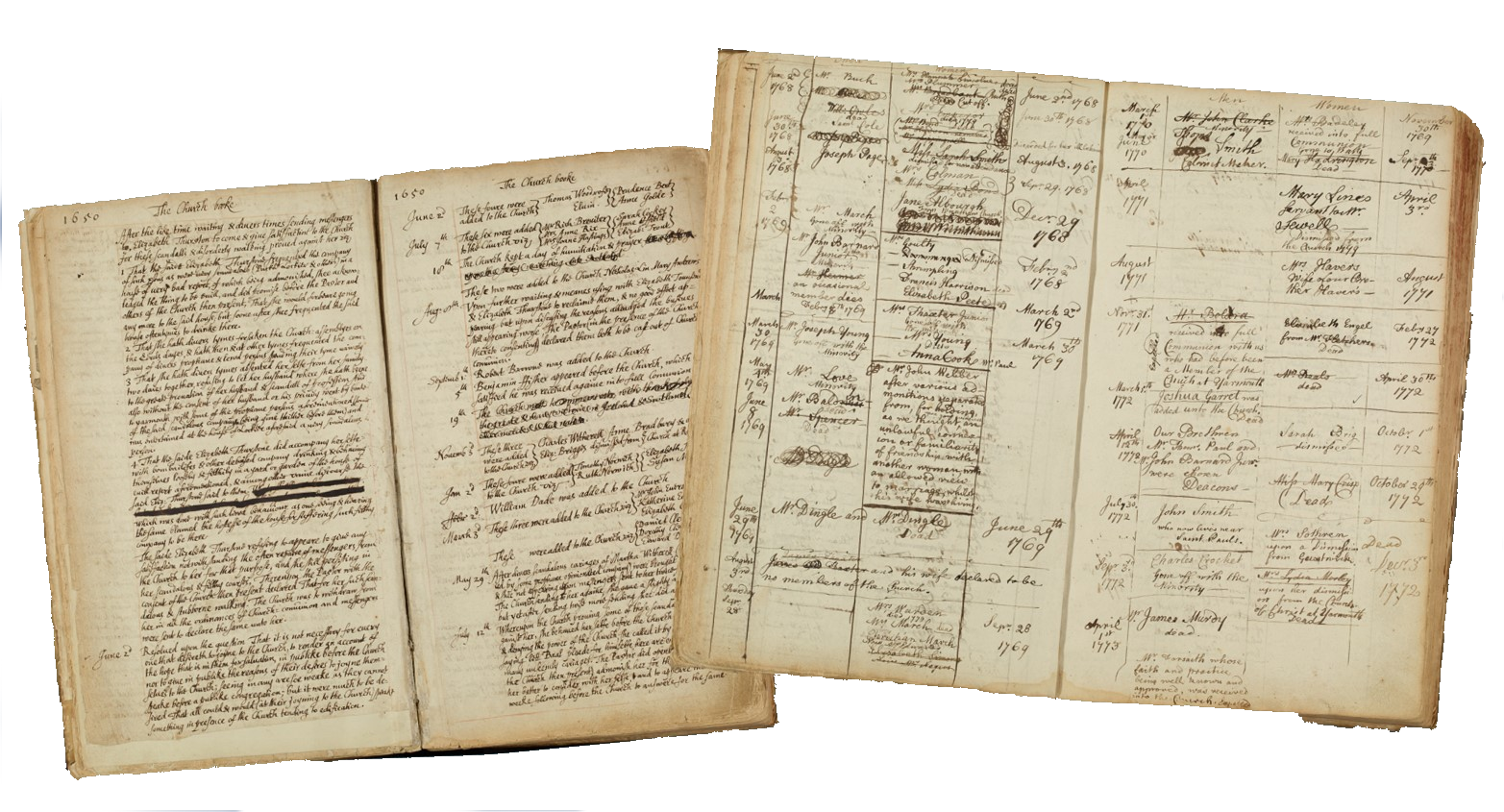
A quick introduction to records created by religions including, amongst others, Methodists, Baptists, and Society of Friends (Quakers). Learn what information may be included and how to access them.
Booking required using the link below
Reading from the archives
Ballgowns and Dinner Invitations
Listen to a range of extracts from a variety of different documents to hear real life experiences of the rich and ordinary people of the past. Each session lasts around 30 minutes.
Online
Tuesday 5 January, 2pm
Free of charge
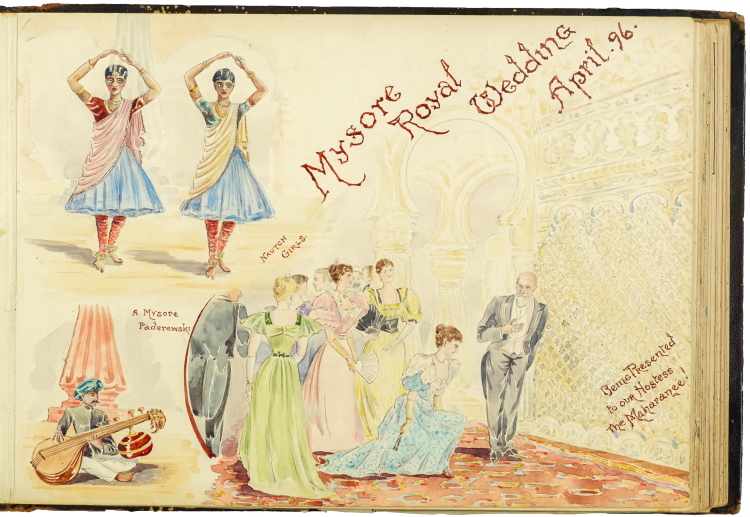
Celebrate the New Year in style by joining us to hear about the balls and dinners of the past. Experience the joy of attending some of the prestigious events of the past through the eyes of those invited, including the Lord Mayor’s Feast of 1778 and Lady North’s Poudre Ball in 1905.
Booking required, please use the link below.
Medieval Lynn: Paper, prosperity and people
In person
Wednesday 25 November, 10am- 4pm
(Registration starts at 10am for 10.30am start)
King’s Lynn Town Hall, PE30 5DQ
Free of charge
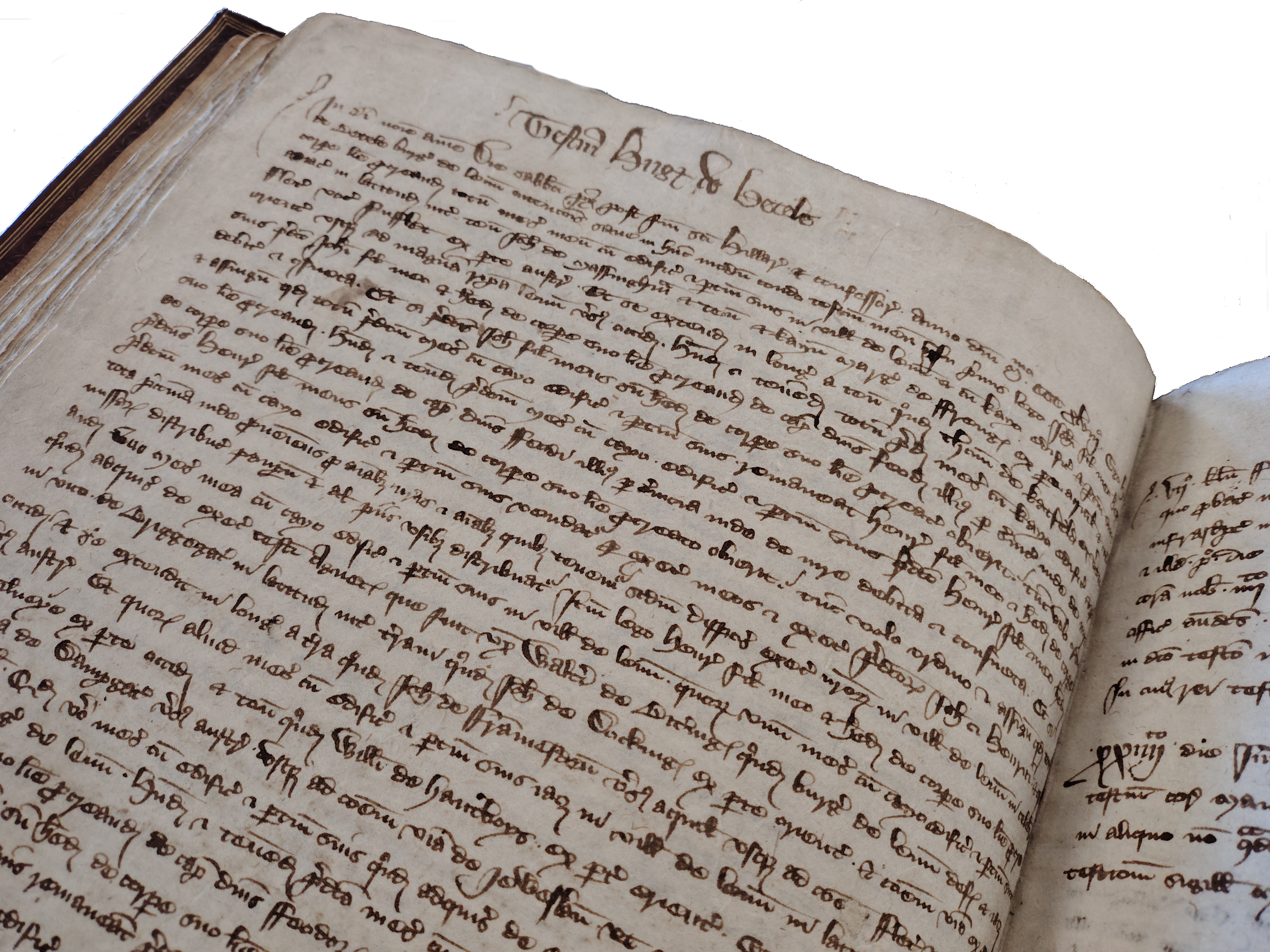
Join us to celebrate the recent inscription of the Red Register into the UNESCO Memory of the World Register.
The Red Register, the earliest surviving archival paper book in England, offers a remarkable insight into life in King’s Lynn, then known as Bishop’s Lynn, during the fourteenth century. By embracing the relatively new technology of paper decades before many other English towns, and almost two centuries before paper was manufactured in England, Lynn demonstrated a striking spirit of innovation. This talk will explore the materiality of medieval paper, examine the impact of the Black Death through the wills preserved within the Register, and compare Bishop’s Lynn with contemporary towns in England and Ireland.
Lunch will be provided.
Booking opens at 10am on Saturday 17 October.
Phenomenal Buildings
Light
In person event
Wednesday 27 January, 10.30am-12.30pm at St John the Baptist, Timberhill
Free of charge
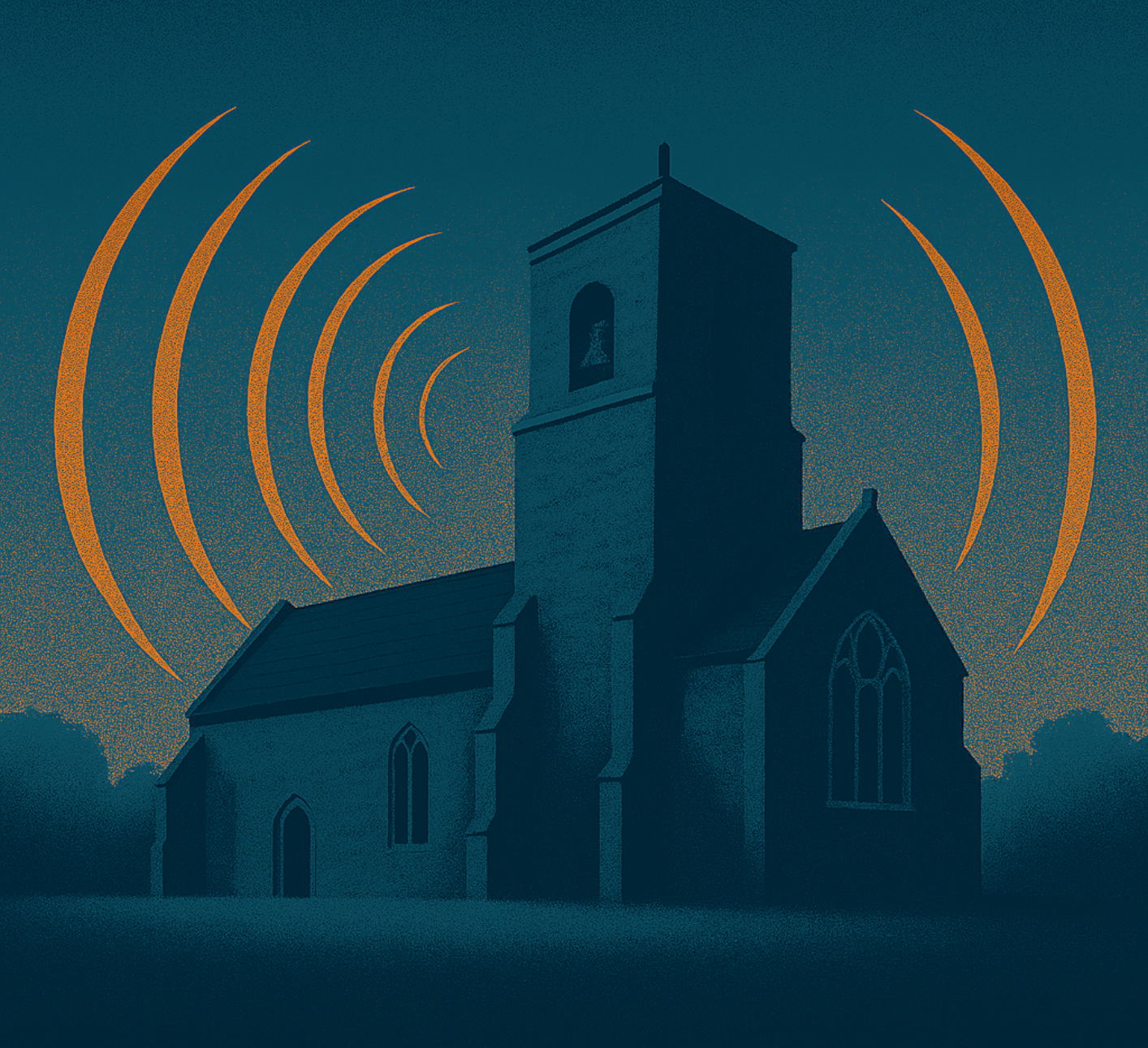
Discover the different sounds of the church, understand how various furnishings affect the way it travels around the church and how the sound of bells travels outside. In this workshop you will create a sound map, and use tuning forks and decibel readers to listen for and measure the sounds within the church.
The session uses copies of documents to consider how people have interacted with the church both in the past and today.
Refreshments included
History in focus
Maps
In person event
Friday 11 December, 2pm-3.30pm
Pay what you can (£2.50 per person suggested).
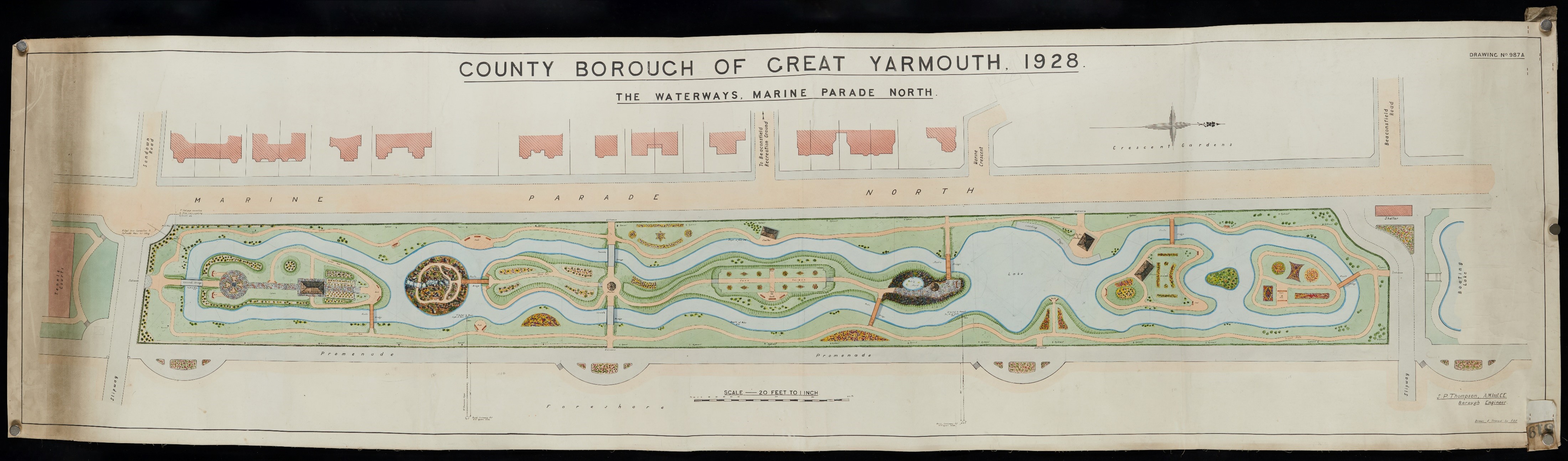
Join us for our new series of events were we will uncover documents on a particular topic. Each session will explain how to use the searchroom and online catalogue to find those documents before talking through some examples and then giving you a chance to explore documents connected to the topic in more detail. The first topic is maps.
Find out about some of the different maps which we hold in the Record Office, discover our card catalogue in the searchroom and how you can look for maps on our online catalogue. We will talk through some of the many uses for maps within our collection.
Refreshments included
Creating MEAT: from archive to stage
In person
Friday 27 November, 6-9pm
Free of charge
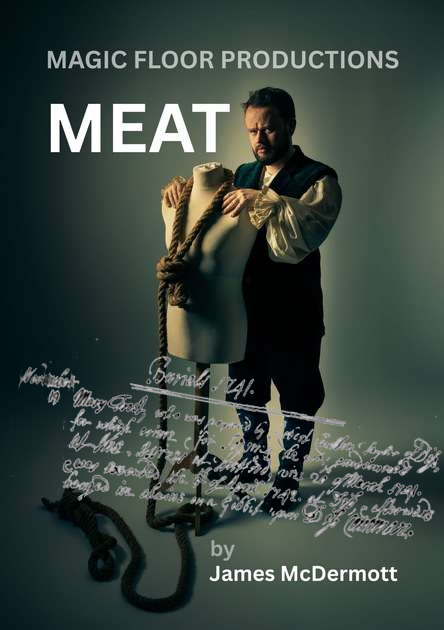
See the real life story behind the play Meat by James McDermott. Meat is a historical drama that explores identity, desire and sexuality in Norfolk. The play tells the little-known true story of Robert Carleton, a 17th-century tailor, and his secret relationship with his apprentice, Jon Lincoln. Their fragile world begins to unravel when Jon’s fiancée, Mary, comes to dinner, bringing hidden truths, tensions and loyalties to the surface. Through powerful storytelling and poetic language, Meat reimagines Carleton’s experience with compassion and humanity.
The evening will include a performance of the play, a question and answer session and a chance to view some of the documents used in the research.
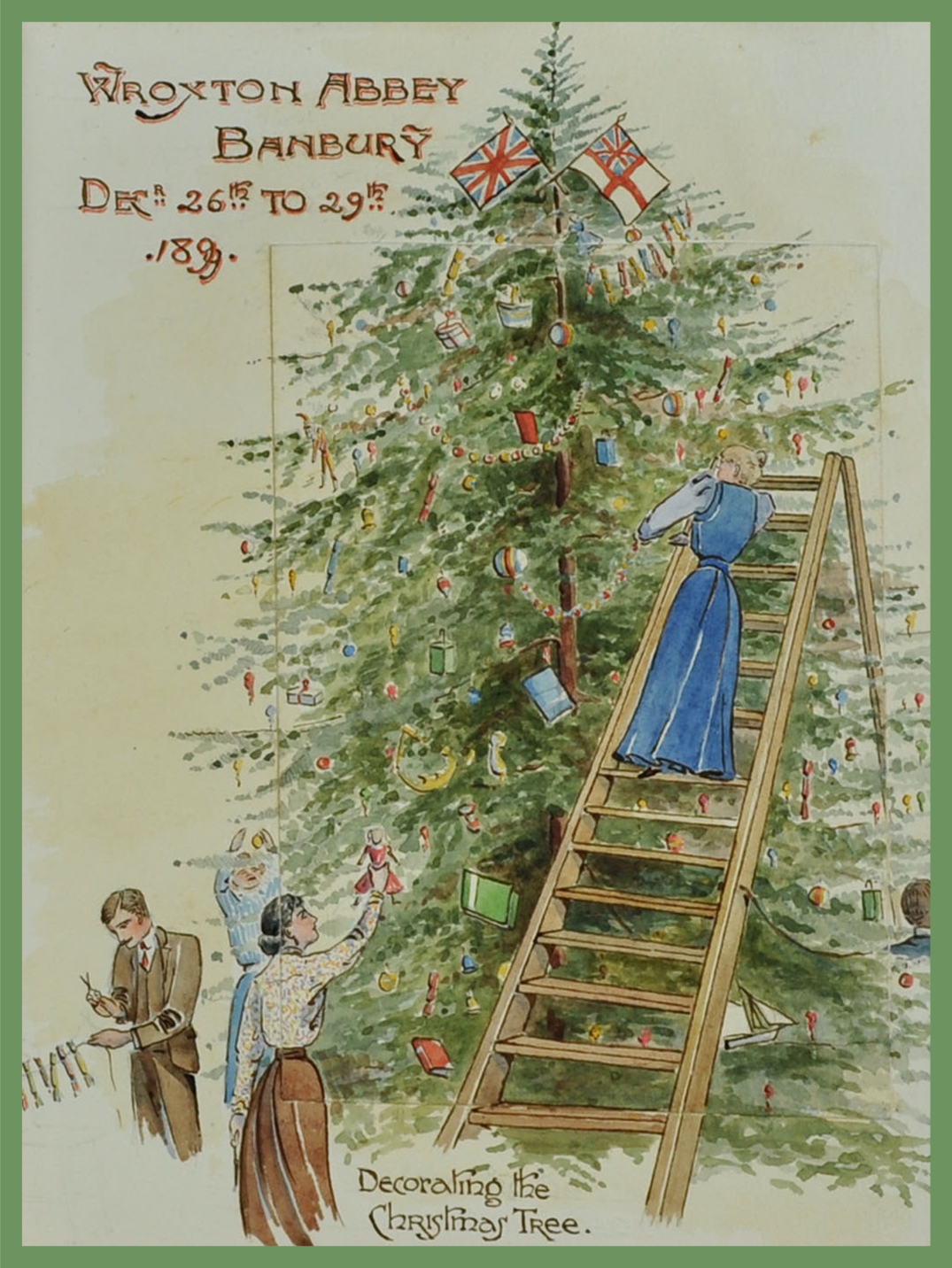
Have yourself a Zigomala Christmas
In person
Wednesday 2 December, 1-3pm
£10 per person
Refreshments included
Look into the life of Hilda Zigomala, and discover how she celebrated Christmas. Create Victorian decorations that Hilda included on her own tree such as peg dolls, lanterns, crackers, paper chains, flags, and mini presents. Help us to use these items to decorate our Christmas tree which will be on show in the Long Gallery throughout December. Finally, create some pin-prick Christmas cards to send to your friends, or decorate your own home, whilst enjoying Victorian Christmas staples of mince pies, and chestnuts.