
“For me, it’s a highlight of the week when I can get here, but it’s such an open and understanding group and that’s what keeps drawing you back, as well as trying to get I guess into the head of someone who’s gone through that lived experience in a historical way of mental health.” (Change Minds Participant)
Asylum archives can be a valuable resource for people living with mental health issues, providing insights into the experiences of people who have faced similar challenges in the past and offering a sense of connection and empathy.
One way to use asylum archives to help people with mental health issues is through the Change Minds project. Change Minds is a partnership between Norfolk Record Office and the Restoration Trust, a charity specializing in cultural therapy.
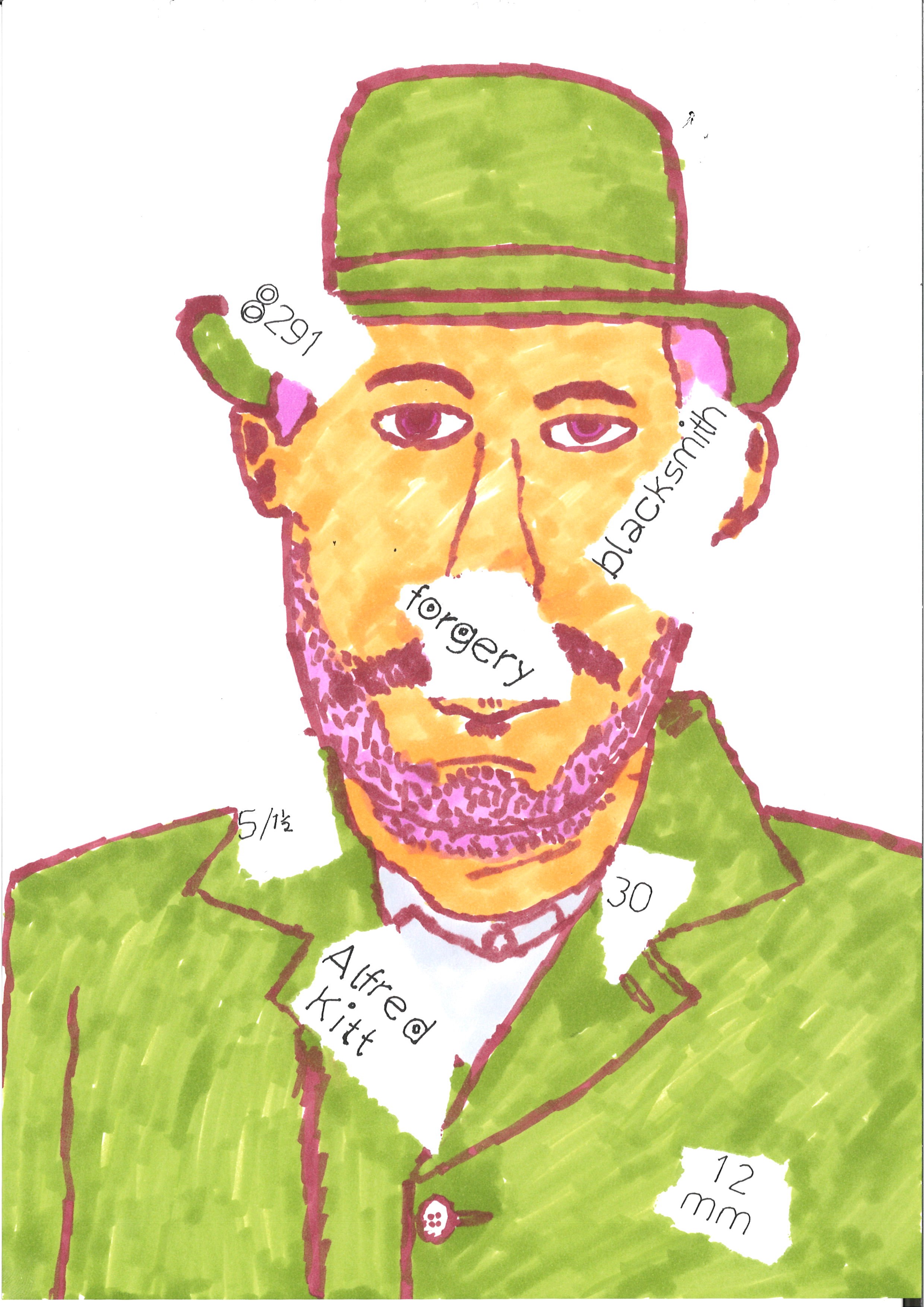
Change Minds brings together archival research and creativity. Participants choose a patient from asylum case books, and they learn archive skills to find out more about that person’s life. They then embark on a series of creative workshops, where they explore their research and incorporate their own lived experience, before a final celebration.
Participation in Change Minds has been shown to improve mental wellbeing. A recent evaluation found that participants reported feeling more connected to others, more hopeful about the future, and more confident in their ability to cope with their mental health challenges.
The Change Minds Hub is a new resource that has been created to support the delivery of Change Minds projects across the UK. The Hub offers training, planning resources, workshop plans and resources, an evaluation framework, and learning from the experience of people who have previously run Change Minds.
How asylum archives can help
There are several ways that asylum archives can help people with mental health issues. First, they can provide a sense of connection and empathy. By reading about the experiences of people who have faced similar challenges, people with mental health issues can feel less alone. They can also gain a better understanding of their own experiences and how to cope with them.
Second, asylum archives can help people to develop their creativity. The creative workshops that are part of Change Minds offer participants a safe and supportive space to explore their own thoughts and feelings. This can be a valuable way of processing difficult experiences and finding new ways to cope.
Third, asylum archives can help people to build self-confidence. By learning about the history of mental health care, people with mental health issues can gain a better understanding of the problems that they have faced. This can help them to feel more empowered and less ashamed of their experiences.
On top of this, Change Minds demonstrates how effective archives can be for examining and meeting some of the serious challenges which are facing today’s society.
Running a project- case study
As Change Minds is a participant led project sessions can also be adapted to suit the needs of those taking part.
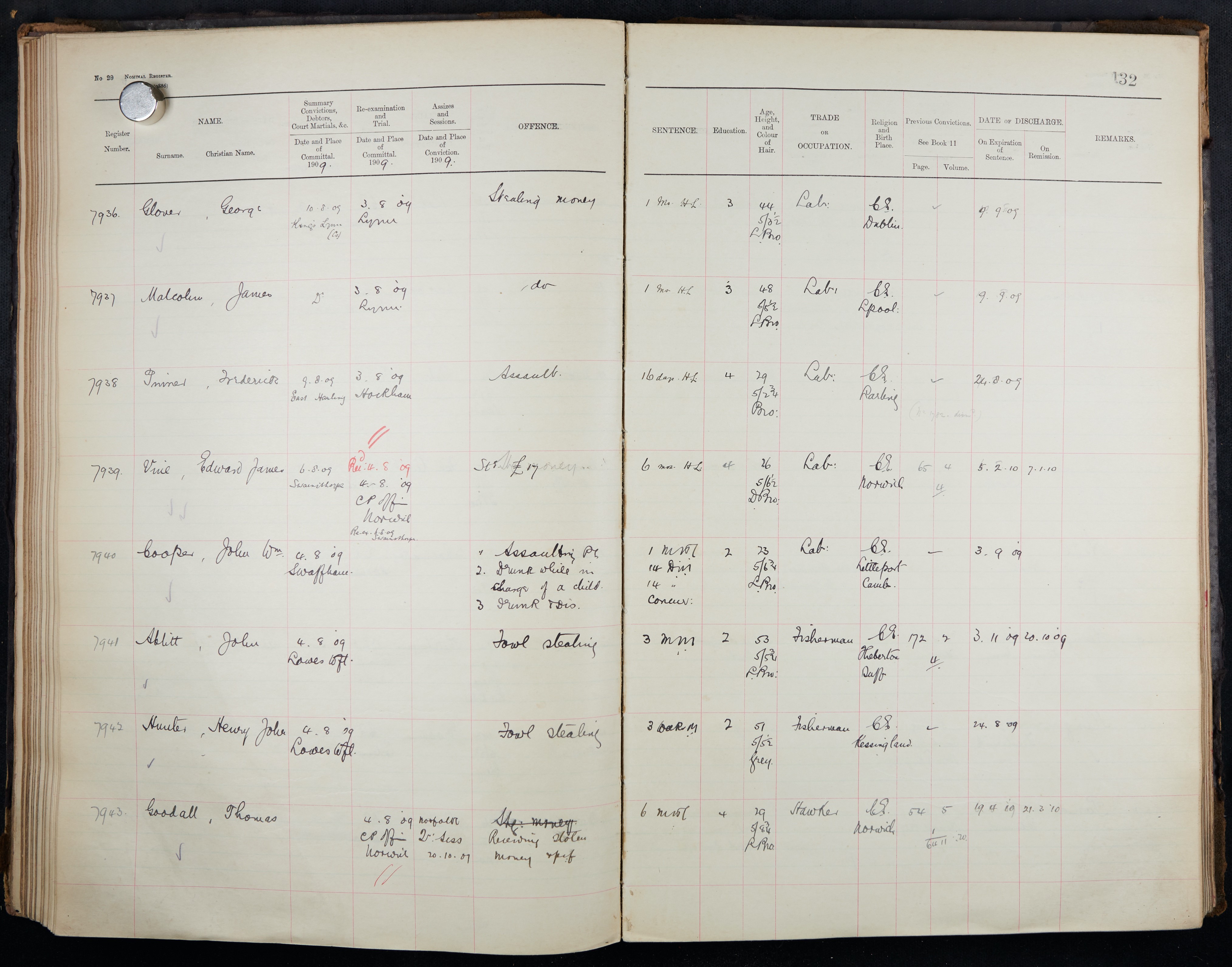
Staff at the Norfolk Record Office ran a Change Minds project at His Majesties Prison Norwich between October 2022 and March 2023. Two members of staff worked with prison psychologists and occupational therapists to run 12 workshops for men who attend the day care centre in the prison.
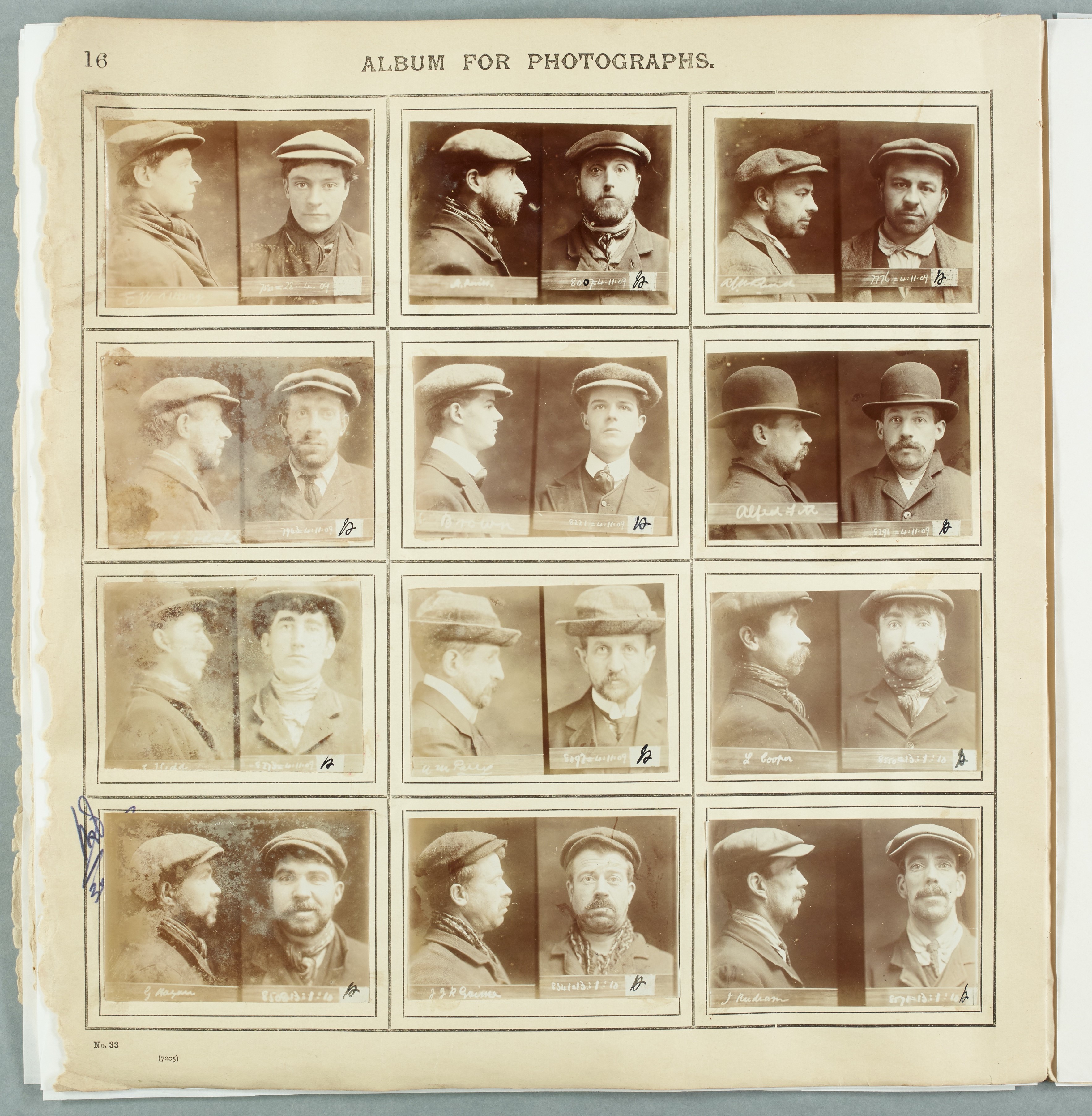
Initially these workshops followed the recommended programme, researching people in Norfolk County Asylum in the 1880s. However by session 5 it was realised that participants felt a stronger connection to people who were in Norwich Prison around the same time. For the remaining seven sessions staff introduced a series of documents including calendars and photographs of prisoners and nominal registers for Norwich Prison. They even looked at tattoos from the distinguishing features column of the Gaol Register for Great Yarmouth.
Although the sessions were different to the usual Change Minds format the outcomes were equally as positive. Outcomes included an increase in confidence especially in relation to literacy and reading out loud. It was considered that participants connected with historic individuals, with one quoting that ‘it’s expanded awareness of how things used to be here’. The men discussed how some inmates were buried in the prison and expressed surprise at the kinds of sentences that were given out in the past for what they felt were minor offences. Participants also gained palaeography skills, leant how to care for/handle archival records, how to write with quills, research and analytical skills, and working as part of a group. In addition, the benefits of the programme were felt throughout the prison; the chaplain came to a session and worked on ensuring a more timely transfer from the wings.
Conclusion
Asylum archives can be a valuable resource for people with mental health issues. They can provide a sense of connection and empathy, help people to develop their creativity, and build self-confidence. If you are interested in learning more about Change Minds or running your own Change Minds project, please click on the links or contact the Norfolk Record Office or the Restoration Trust.
Written by
Victoria Draper, Education and Outreach Officer, Norfolk Record Office
Laura Drysdale, Director, The Restoration Trust
Gary Tuson, Norfolk County Archivist



 Norfolk Record Office
It’s heartening to read about participants gaining insights into their own experiences through the lives of those who lived in asylums in the past. This approach not only humanizes history but also provides a powerful sense of connection and understanding.
I’m particularly impressed with how the project adapts to the needs of its participants, like the case study in Norwich Prison. It shows a deep understanding of the importance of relevance and personal connection in therapy. Plus, the creative aspect of the workshops seems like a great way to process emotions and build confidence.
LikeLike
Thank you. It certainly has been a successful programme, with some great examples of how it has benefitted participants.
LikeLike