
1782-1855
Richenda Cunningham was born in Bramerton, Norfolk and was the sixth child of Quakers John and Catharine Gurney, who owned the Gurney Bank in Norwich, now known as Barclays Bank. Richenda grew up at Earlham Hall with her twelve siblings, including the notable Elizabeth Fry (1780—1845) and Catharine (Kitty) Gurney (1776-1850), who took primary care of Richenda after their mother died in 1792.
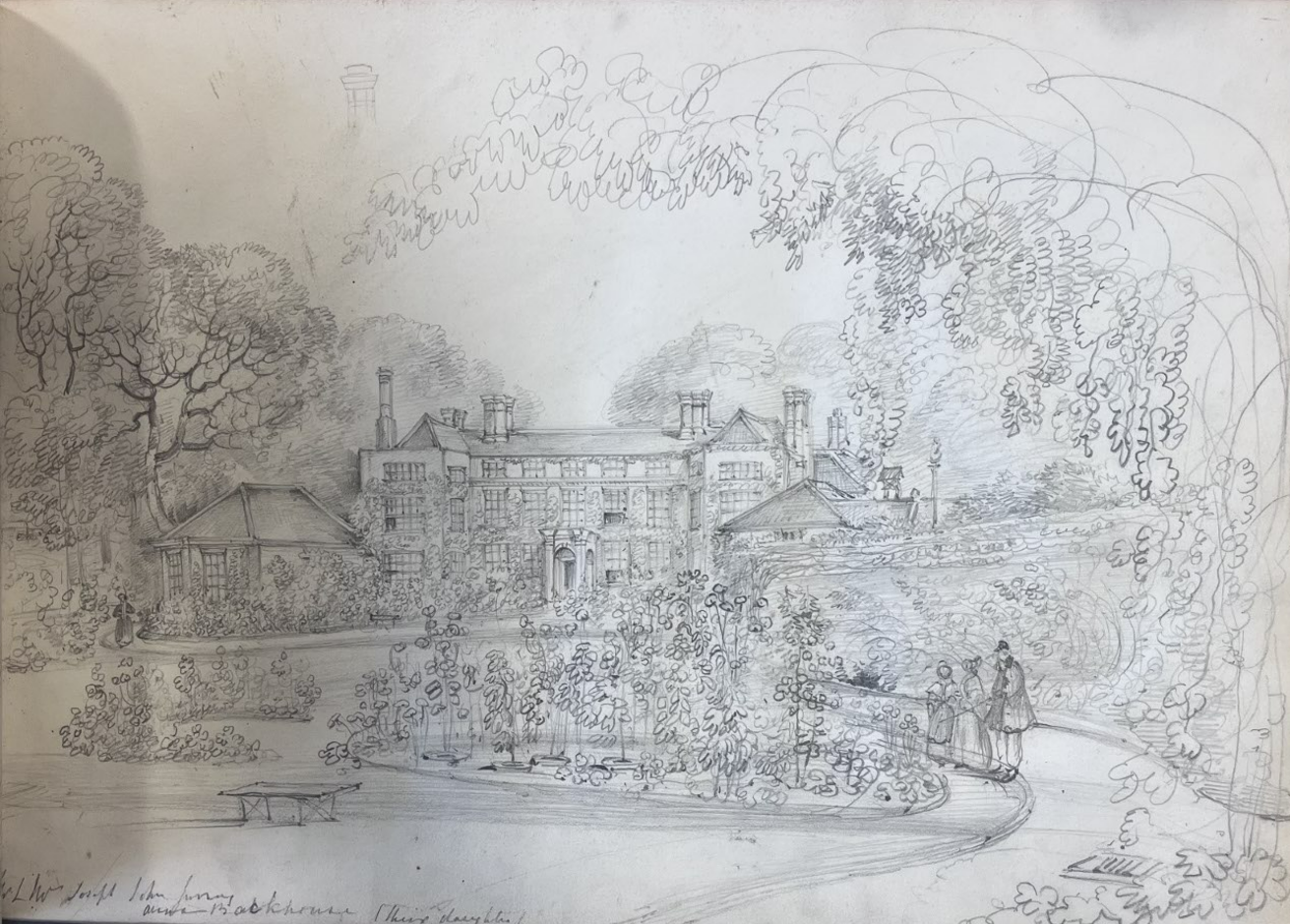
Richenda Cunningham is predominantly recognised for her artwork. She became a student of landscape artist John Chrome (1768-1821), the founder of the Norwich Society of Arts, when she was ten years of age. When Cunningham was twenty-nine, she became the only woman to publish her work in the Architectural Antiquities of Great Britain. Cunningham often took inspiration from locations in Norfolk, but after marrying Reverend Francis Cunningham of Lowestoft Vicarage (1785-1883) in 1816, she moved to Lowestoft in Suffolk and started to draw locations in Suffolk. Cunningham also travelled to Europe (Germany, Italy, France, and Switzerland), as seen in her portfolio: “Nine Views Taken on the Continent” c. 1830. However, she is believed to have travelled in 1815. She turned her sketches from her travels into profitable portfolios by working with Charles Joseph Hullmandel (1789–1850), a London printmaker and “9 Views” was then sold successfully.
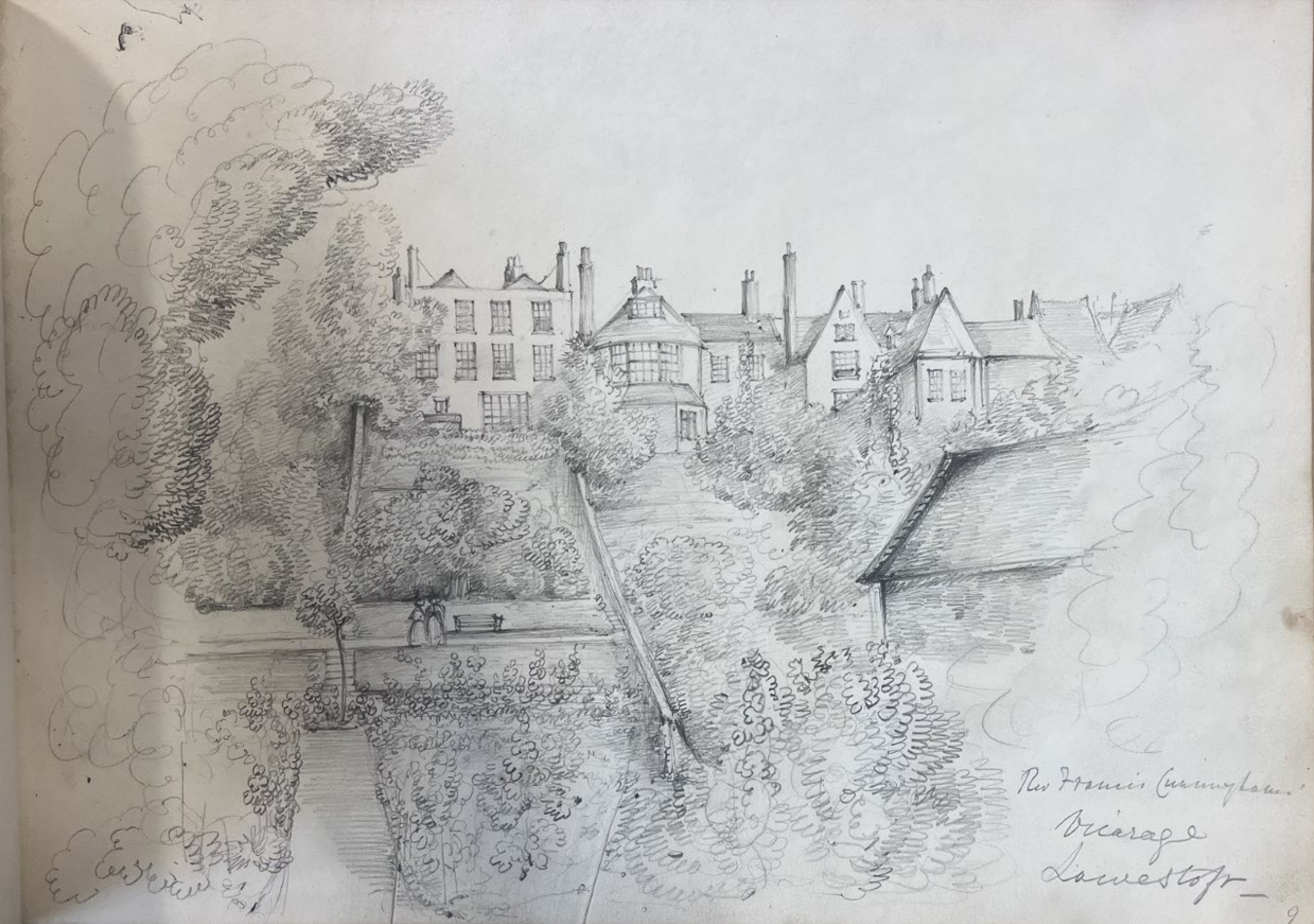
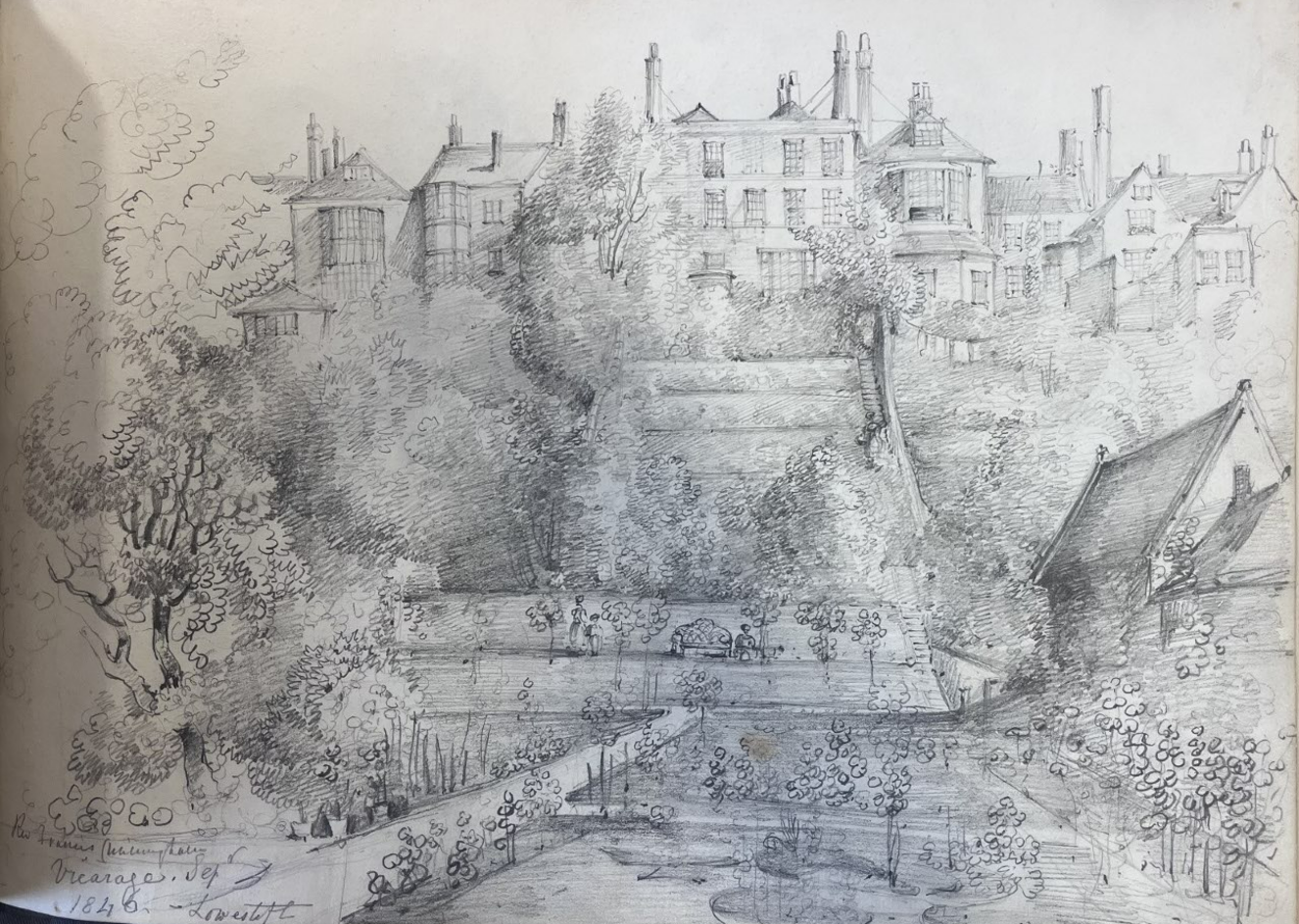
Richenda Cunningham died in August 1855 at the age of seventy-three in Lowestoft, Suffolk, where she is buried at St Margret churchyard.
Richenda Cunningham was a highly influential artist who gained an established reputation within an industry dominated by men through her publications and collaborations. Her importance can also be seen today, as her art work is still displayed at Norwich Castle.
Researched and Written by Beth Chisholm.
Websites used:
https://nrocatalogue.norfolk.gov.uk/index.php/richenda-cunningham-1782-1855-bramerton-norfolk



 Norfolk Record Office