
When a workhouse governor’s report book was received by the Norfolk Record Office from private hands in 2009, it helped shed light on day-to-day events at Heckingham Workhouse, between 1771-2 and filled a gap in our series of report books. Heckingham Workhouse was built in 1765 at Hales. It served 41 parishes in the Loddon area, which were incorporated by a special act of parliament to provide relief to the poor.
The book consists of reports made by the workhouse governor to his employers, the committee of guardians. Many routine matters are mentioned, such as births and deaths, deliveries of provisions, purchases of clothing and inmates’ requests for leave of absence.
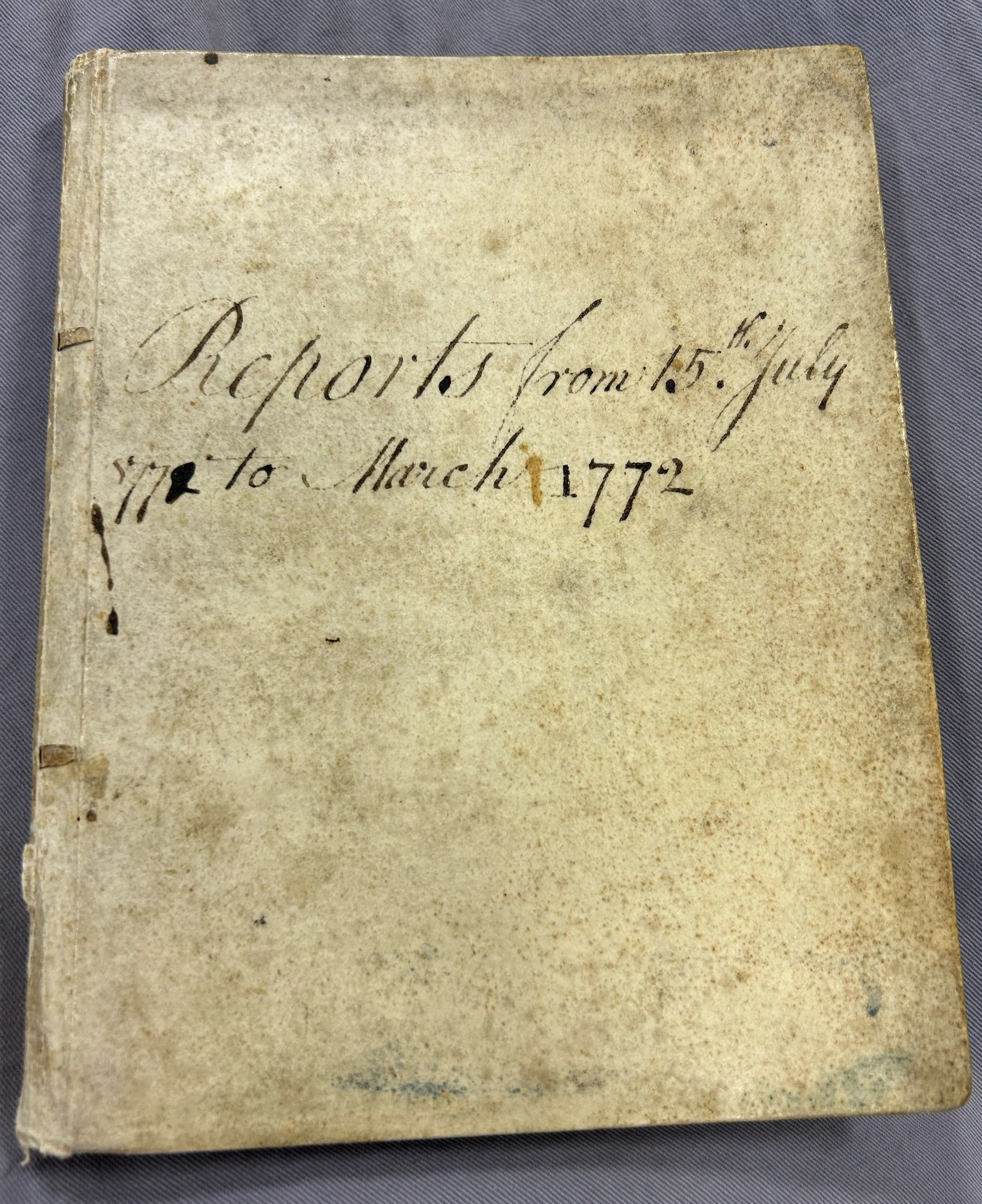
NRO, C/GP 12/279
Expenses to maintain the workhouse and its contents feature regularly. In January 1772, for example, the governor reported that the chimneys needed sweeping and the pewter chamber pots wanted mending. Being ratepayers, however, the guardians were anxious to keep costs down. A request for two new coal shovels in December 1771 was turned down and the governor was told to have the old one lengthened instead. The guardians did, however, agree to provide plum puddings on New Year’s Day, 1772.
All this was before the Poor Law Amendment Act of 1834 and the advent of the harsh workhouse system so criticised by Dickens in Oliver Twist. The report book suggests that, whilst workhouse life was far from a bed of roses, it was not overly harsh. Paupers were not afraid to criticise the food: on 22 July 1771, the governor stated that inmates had complained about the beer. A week later, he reported that six paupers ‘behaved in an indecent manner in the Dining room several times last week at meals, finding fault with the provision particularly the puddings (which were very good) and throwing the Beer on the Floor’.
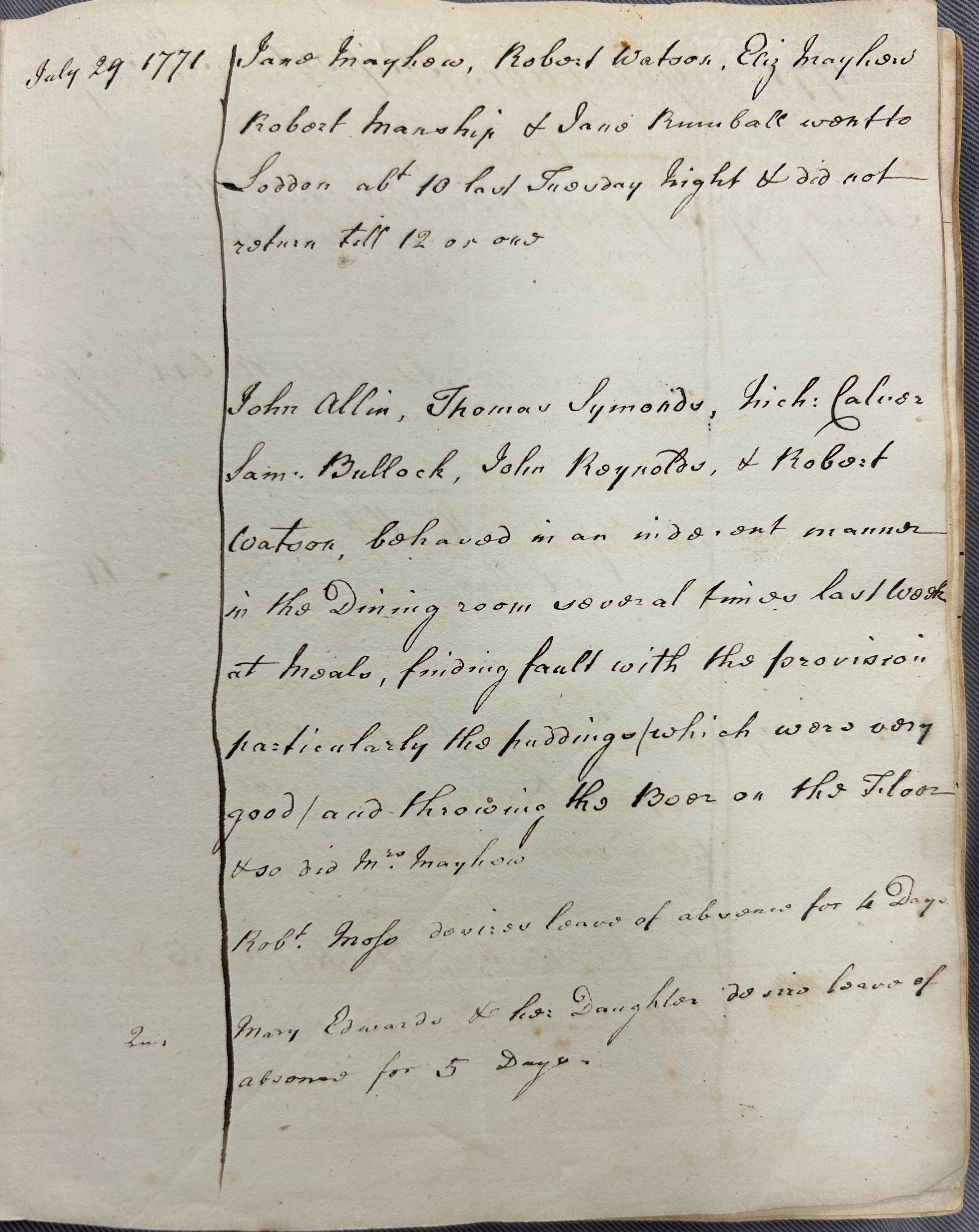
NRO, C/GP 12/279
Truancy seems to have been a constant headache. On 29 July 1771, the governor mentioned that five inmates had spent an evening at the King’s Head in Loddon, returning in the early hours. Shortly afterwards, Robert Watson, condemned to bread and water for a previous offence, went off to Loddon to get a proper dinner. As punishment, he was sent to Acle Bridewell, but escaped on the way, and returned to the workhouse the following morning, minus one of his shoes. The governor remarked testily that he had been obliged to give Watson a new shoe, and had then dispatched him back to Acle.
For some, at least, their stay at the workhouse had a happy ending. Sarah Pearson’s illegitimate child, Richard, was born in the workhouse in July 1771, since the father, Richard Eastoe, had run away to escape paying maintenance. The following February, however, Eastoe returned, married Sarah at Heckingham church, and took her and their child away to their own home.
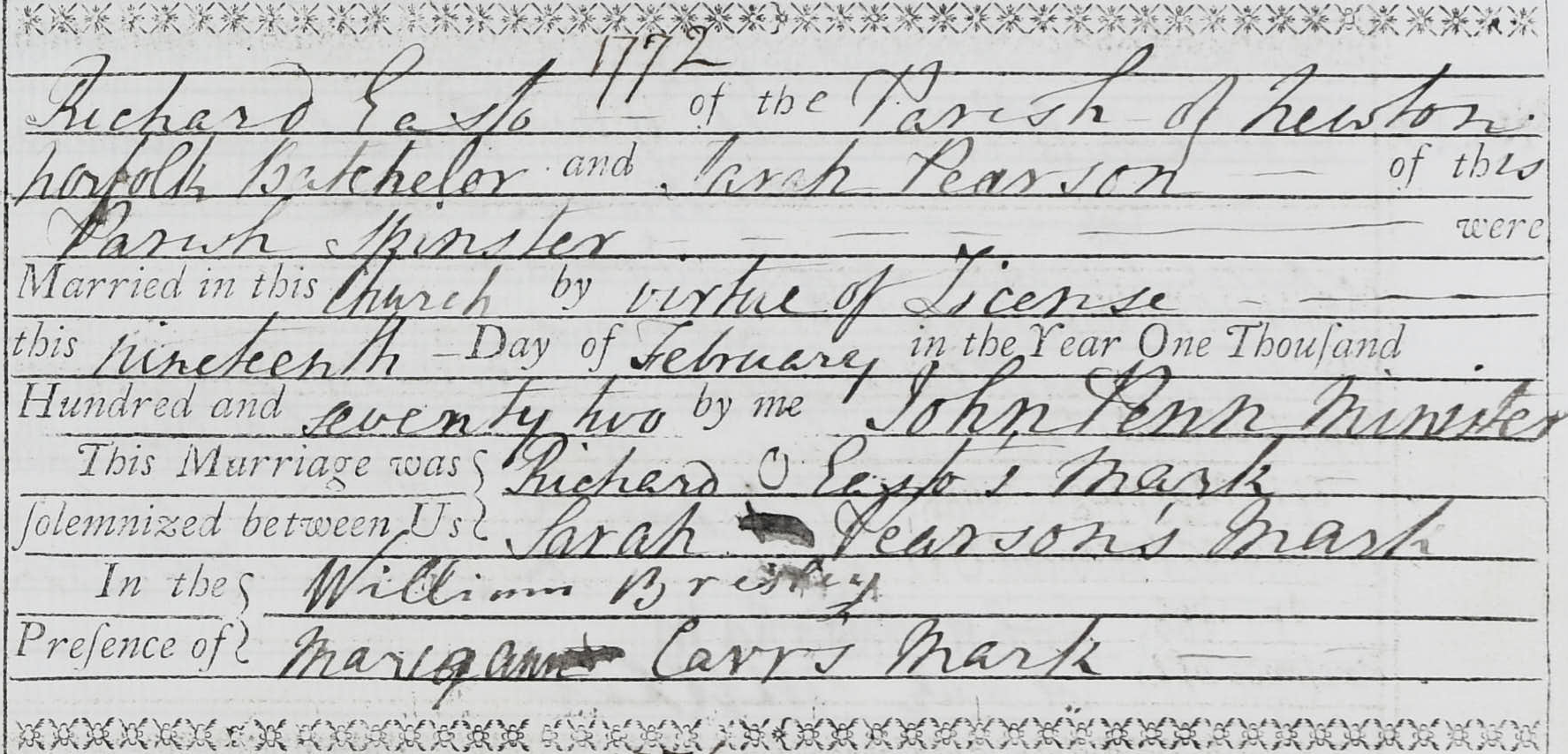
Heckingham Workhouse governor’s report books and guardians’ committee minutes are available to see in the Record Office’s searchroom (NRO, C/GP 12).



 Norfolk Record Office
The workhouse in ‘Oliver Twist’ was a parish workhouse, pre-dating the Victorian ‘unions’. During the ‘Unlocking Our Sound Heritage’ project, I listened to some fascinating interviews with people who had been in Gressenhall workhouse as children at the start of the twentieth century and their memories were surprisingly positive.
LikeLike
great article, thanks
LikeLike